How to Optimize Your Website for LLMs and AI Search Engines
Introduction
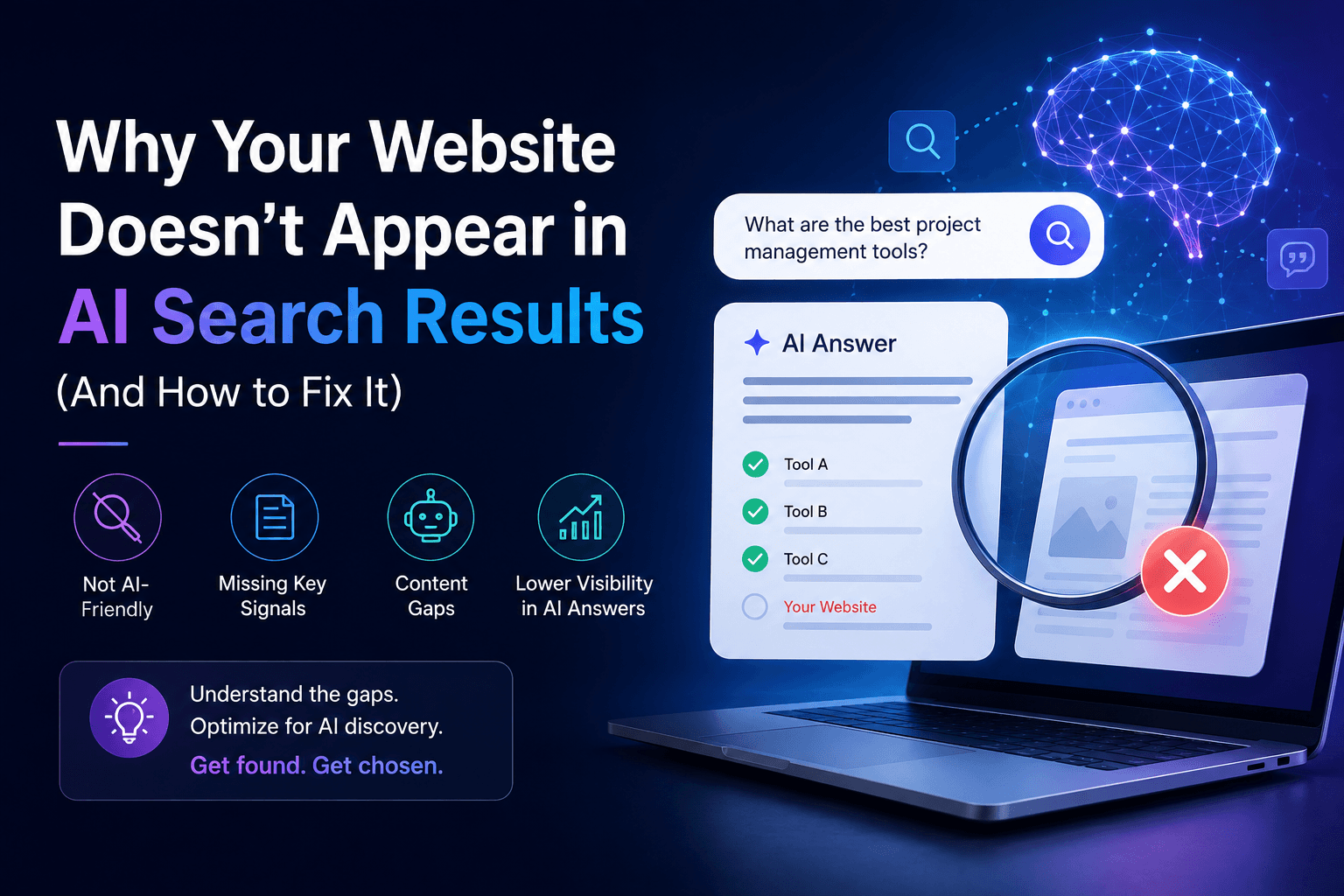
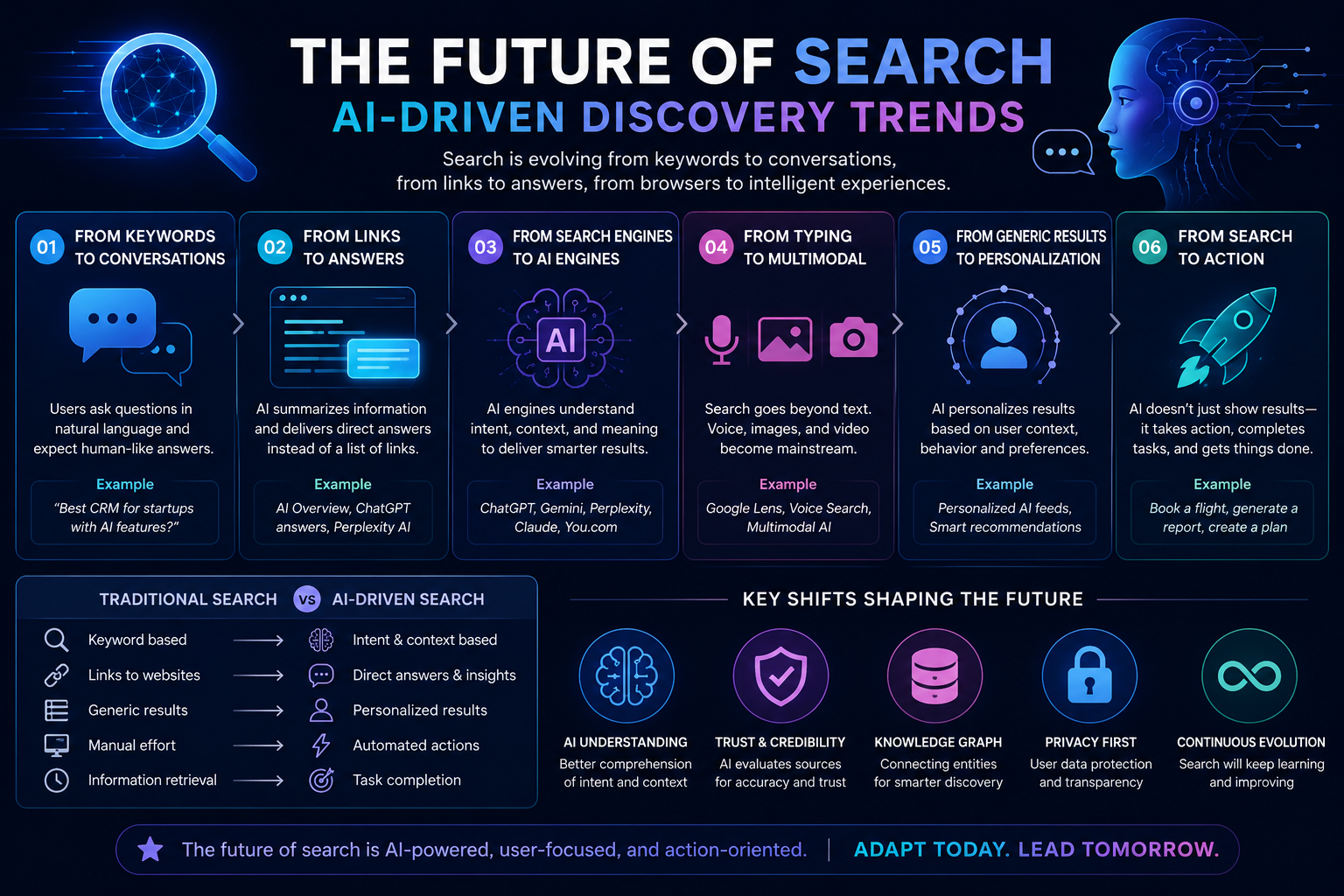
The digital landscape is shifting. While Google continues to dominate, artificial intelligence-powered search engines and large language models (LLMs) are fundamentally changing how users discover and consume information. ChatGPT, Google's AI Overviews, Perplexity, and emerging AI search platforms now serve millions of queries daily.
The critical question isn't whether your website appears in these AI-driven results—it's whether your content is structured and optimized to be understood, ranked, and recommended by artificial intelligence.
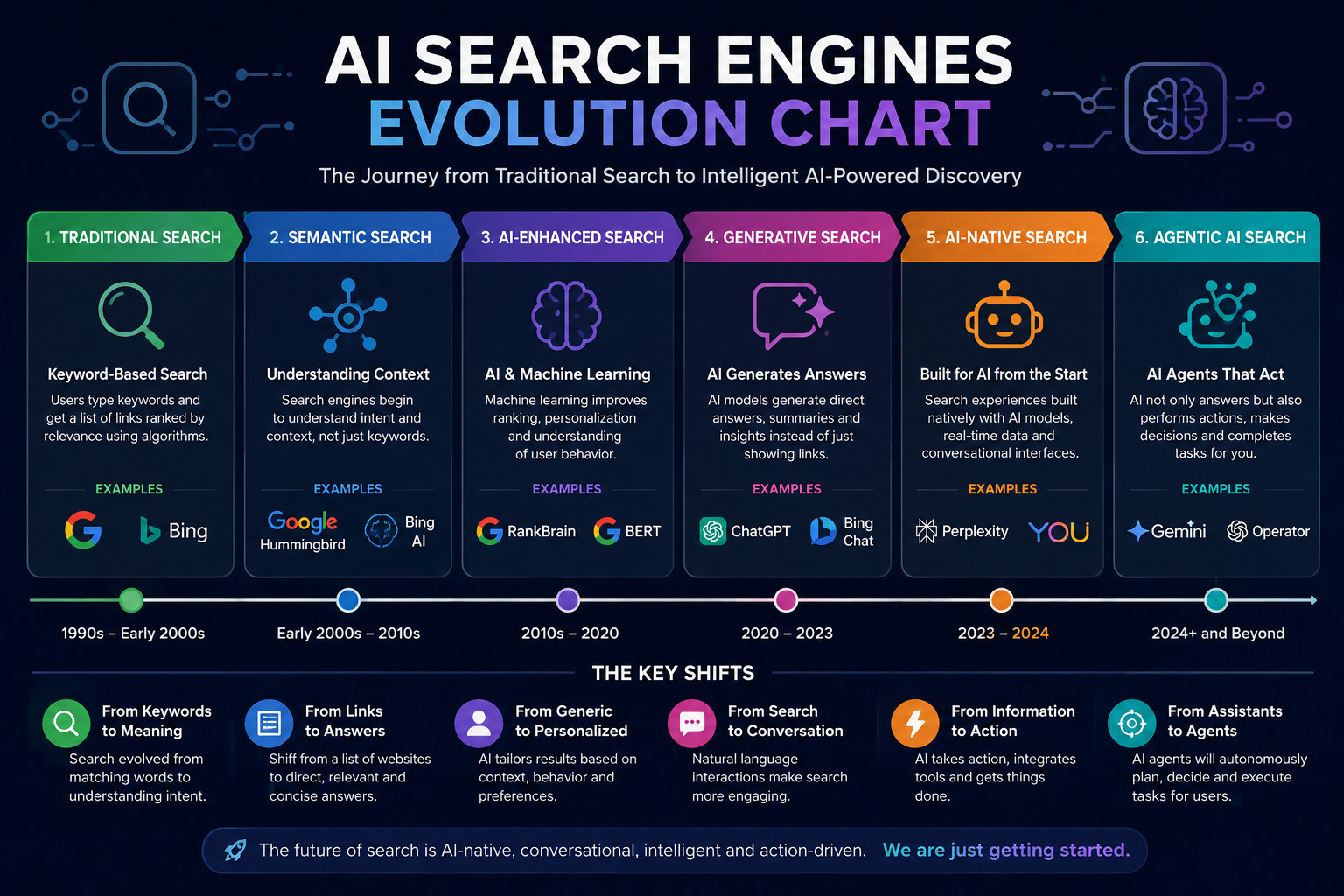
Traditional SEO focused on keywords, backlinks, and user experience signals. AI-first optimization demands more. It requires semantic depth, structured data clarity, and content that demonstrates expertise, authority, and trustworthiness at a granular level.
Why Traditional SEO Isn't Enough
Search engines powered by LLMs don't just scan keywords—they comprehend meaning, relationships, and context. They evaluate whether your content genuinely answers user questions, how it compares to competitors, and whether it establishes credible expertise.
- AI understands intent better than keyword matching alone
- Semantic relationships matter more than exact phrase matching
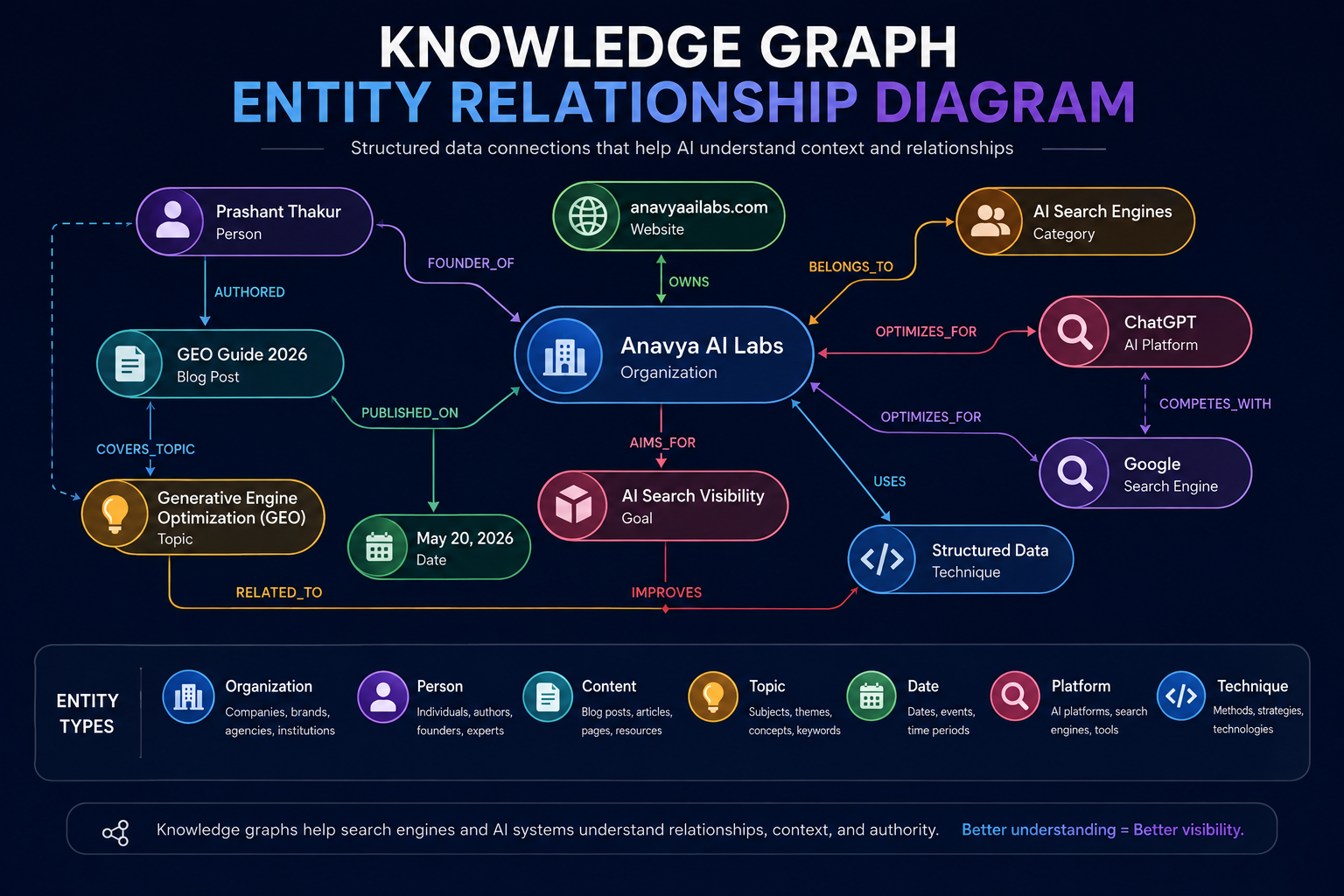
- Entity recognition helps AI connect your content to broader knowledge graphs
- Content quality signals are weighted differently in AI-driven ranking
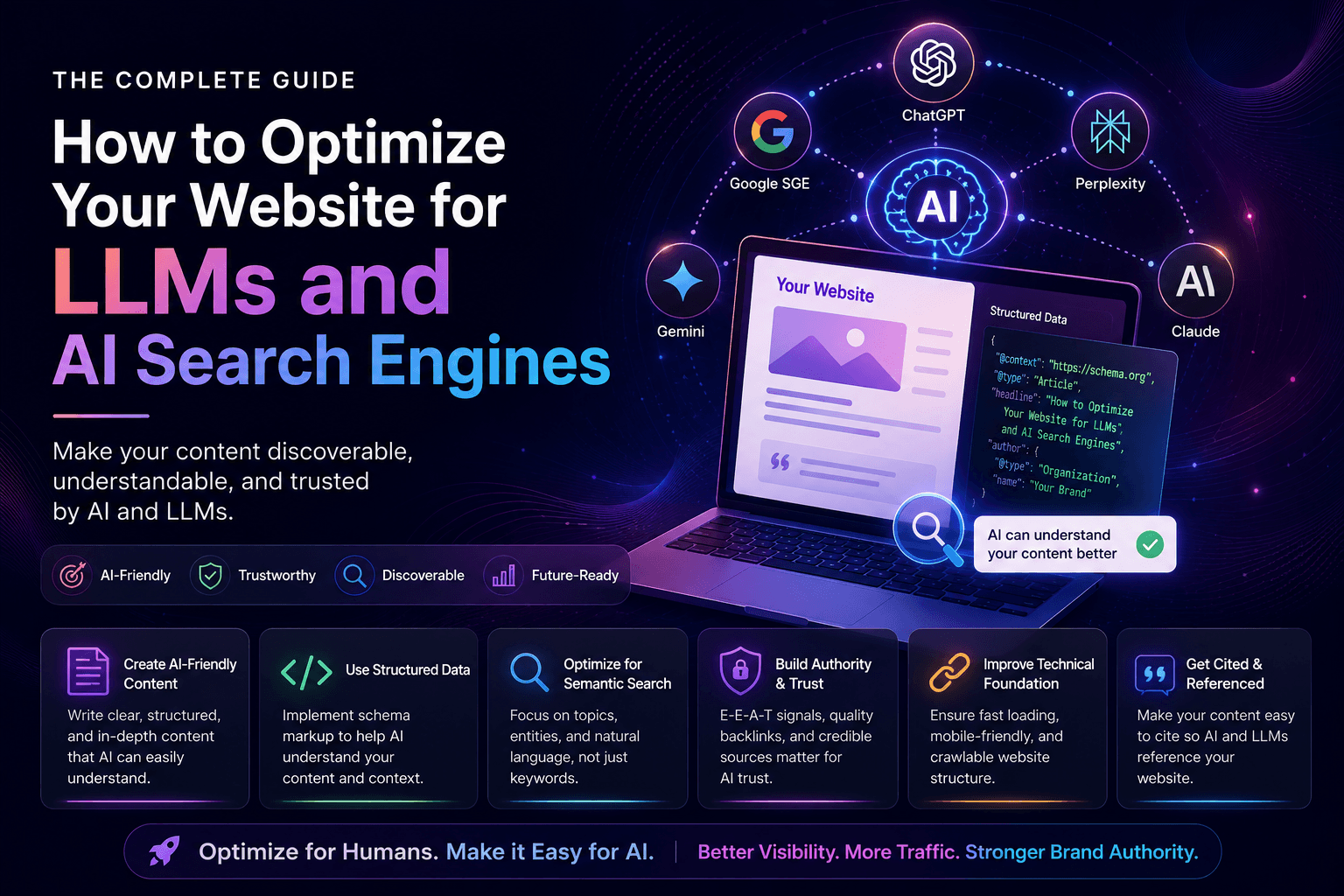
5 Core Optimization Strategies for LLM-Powered Search
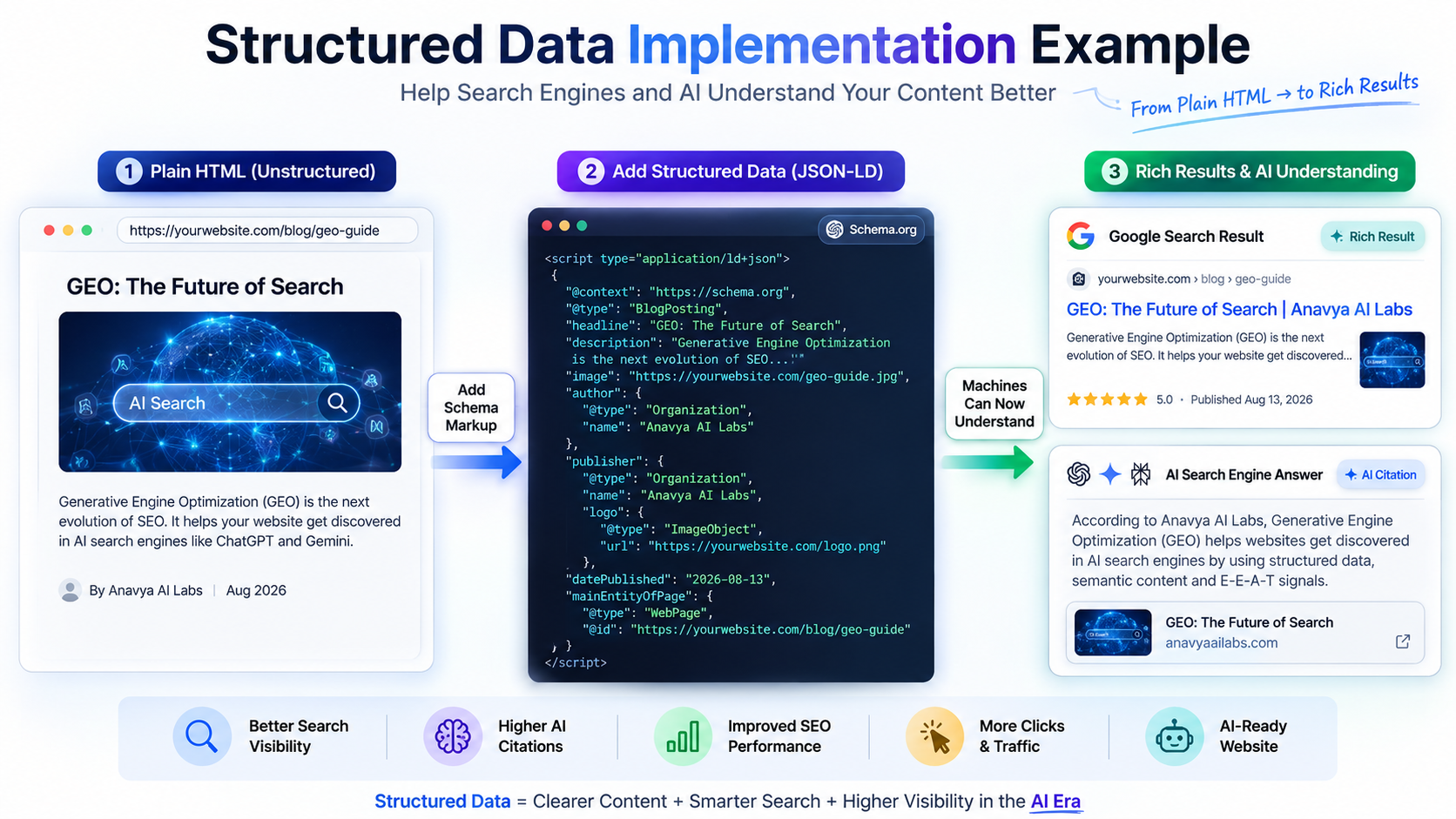
1. Context-Rich Metadata & Structured Data
AI systems rely heavily on structured information to understand your content's context and relevance.
Action Items:
- Implement JSON-LD schema markup (Article, FAQPage, BreadcrumbList)
- Use semantic HTML5 tags (article, section, nav, aside)
- Include comprehensive meta descriptions (150-160 characters with intent clarity)
- Add author information and publish dates for authority signals
{
  "@context": "https://schema.org",
  "@type": "Article",
  "headline": "How to Optimize Your Website for LLMs",
  "author": {
    "@type": "Person",
    "name": "Your Name"
  },
  "datePublished": "2026-07-27"
}
2. Semantic Content Optimization
AI models trained on vast amounts of text can identify whether your content truly covers a topic comprehensively and naturally.
Best Practices:
- Write for comprehension, not just ranking
- Use natural language variations and synonyms
- Answer the 5 W's (Who, What, When, Where, Why) explicitly
- Create in-depth, topic-cluster content strategies
- Use clear heading hierarchies (H1 → H2 → H3)
Semantic optimization means your content should:
- Cover related concepts and entities
- Provide comparative analysis when relevant
- Cite authoritative sources
- Address counterarguments and edge cases
3. Entity-Based Content Linking
LLMs build knowledge graphs. Entities (people, places, organizations, concepts) are the nodes that connect information.
Implementation:
- Link to Wikipedia entries for key entities
- Use consistent naming conventions across your website
- Create entity-focused hub pages
- Implement internal linking that reinforces entity relationships
- Use anchor text that clearly describes the linked entity
4. Technical SEO for AI Crawlers
Ensure your website infrastructure supports both human and AI-driven discovery.
Critical Elements:
- Mobile-first indexing: Ensure responsive design
- Core Web Vitals: Optimize for speed, interactivity, visual stability
- XML sitemaps: Help crawlers discover all important content
- Robots.txt optimization: Allow AI crawlers appropriate access
- Canonical tags: Prevent duplicate content issues
- HTTPS security: Essential for trust signals
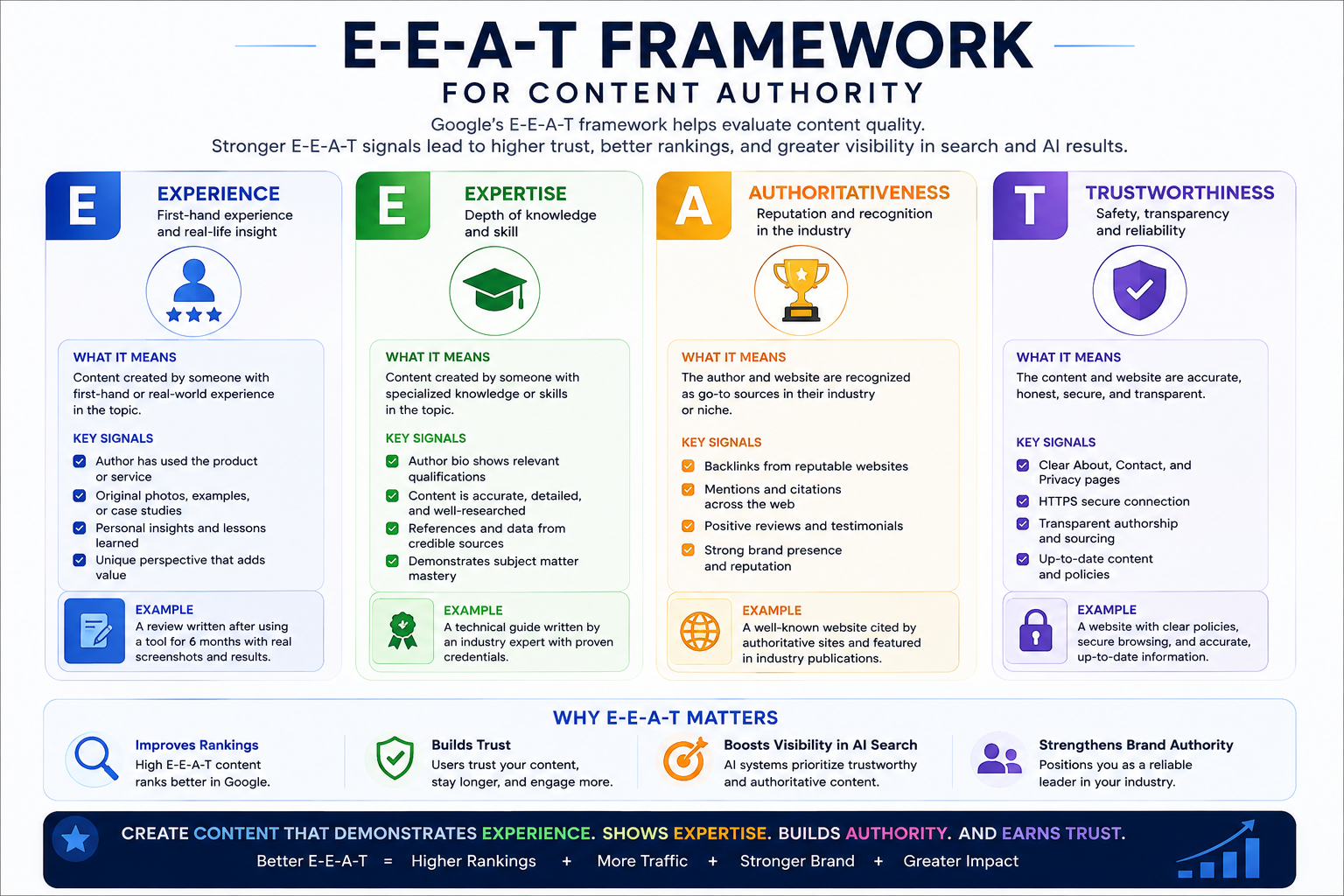
5. E-E-A-T Signals (Experience, Expertise, Authority, Trustworthiness)
Google and AI search engines now prioritize E-E-A-T signals heavily, especially for YMYL (Your Money Your Life) content.
Strengthen Your E-E-A-T:
- Include author credentials and bios
- Show your track record and case studies
- Display client testimonials and reviews
- Cite industry standards and research
- Update content regularly to show currency
- Link to authoritative industry sources
Real-World Application: Your AI Optimization Checklist
Phase 1: Content Audit (Week 1-2)
- Inventory all existing content
- Identify semantic gaps and coverage opportunities
- Analyze competitor AI-driven results
- Map entities and relationships
Phase 2: Implementation (Week 3-8)
- Add/enhance schema markup across all pages
- Rewrite/expand thin content
- Implement semantic HTML structure
- Build topic clusters and hubs
- Strengthen internal linking
Phase 3: Optimization (Week 9+)
- Monitor AI search result inclusion
- Track entity mentions and knowledge graph presence
- Refine content based on LLM result patterns
- Build authority through strategic linking
Key Takeaways
-
AI-first optimization is non-negotiable in 2026. Your website must be intelligible to machine learning models.
-
Structured data isn't optional. JSON-LD schema markup directly helps AI understand your content's context and significance.
-
Semantic depth matters more than keywords. Write comprehensively for humans; AI will naturally understand the broader context.
-
E-E-A-T is paramount. Establish clear expertise, authority, and trustworthiness signals throughout your site.
-
Entity relationships drive discoverability. Connect your content to broader knowledge graphs through strategic linking and consistent entity references.
-
Technical excellence enables visibility. Fast, mobile-friendly, secure websites are crawled more effectively by AI systems.
Next Steps
The competition for visibility in AI-powered search results is intensifying. Websites that optimize for LLMs today will dominate tomorrow's search landscape.
Start with these actions:
- Audit your current structured data implementation
- Identify and fix content gaps in your E-E-A-T signals
- Create a content cluster strategy around your core topics
- Implement semantic HTML across your site
Don't wait for AI search to become dominant in your niche. Optimize now, and you'll maintain competitive advantage as the search landscape evolves.
Have questions about AI-first optimization? Connect with the Anavya AI Labs team to build a customized strategy for your website's AI-driven visibility.