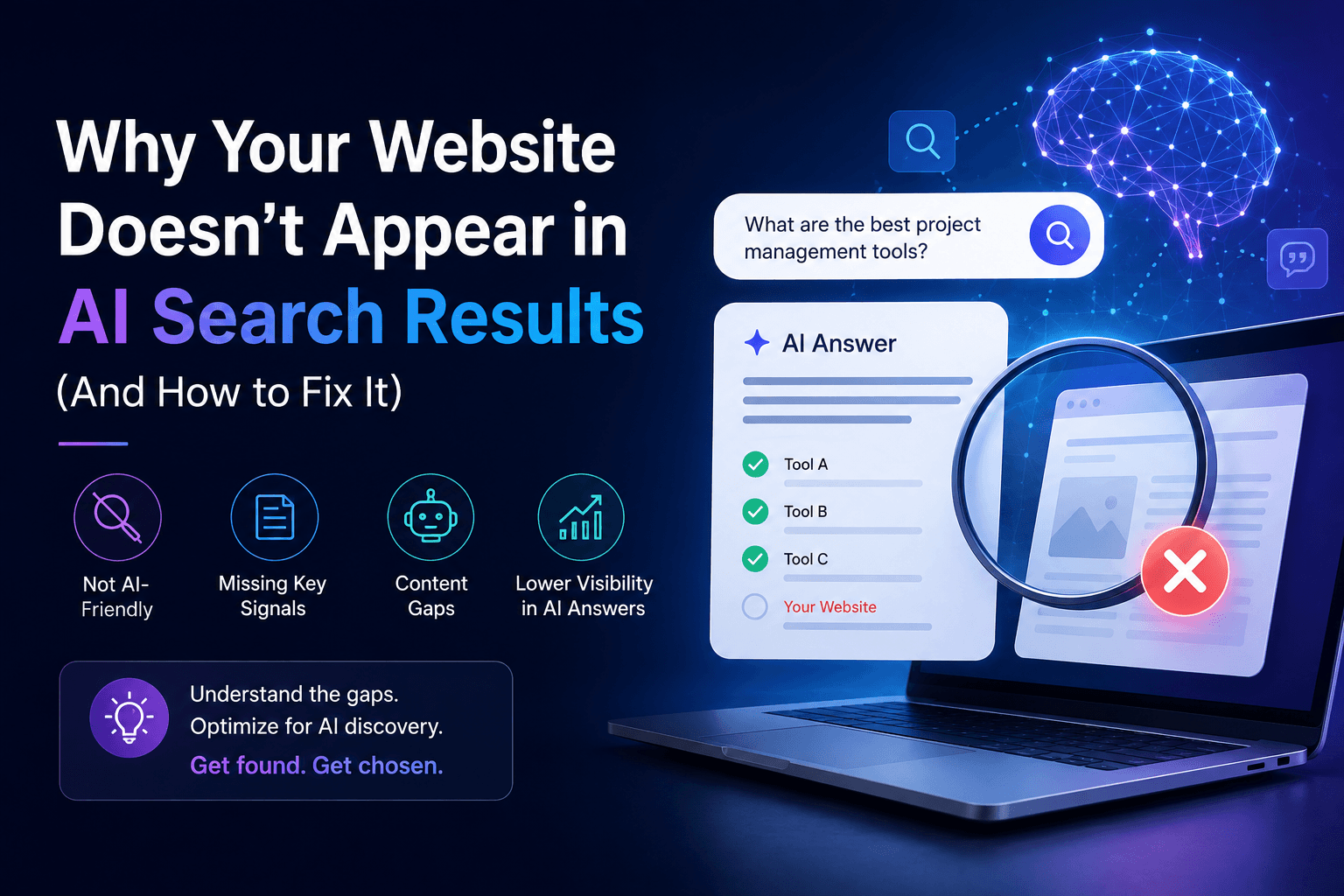
Why Your Website Doesn't Appear in AI Search Results (And How to Fix It)
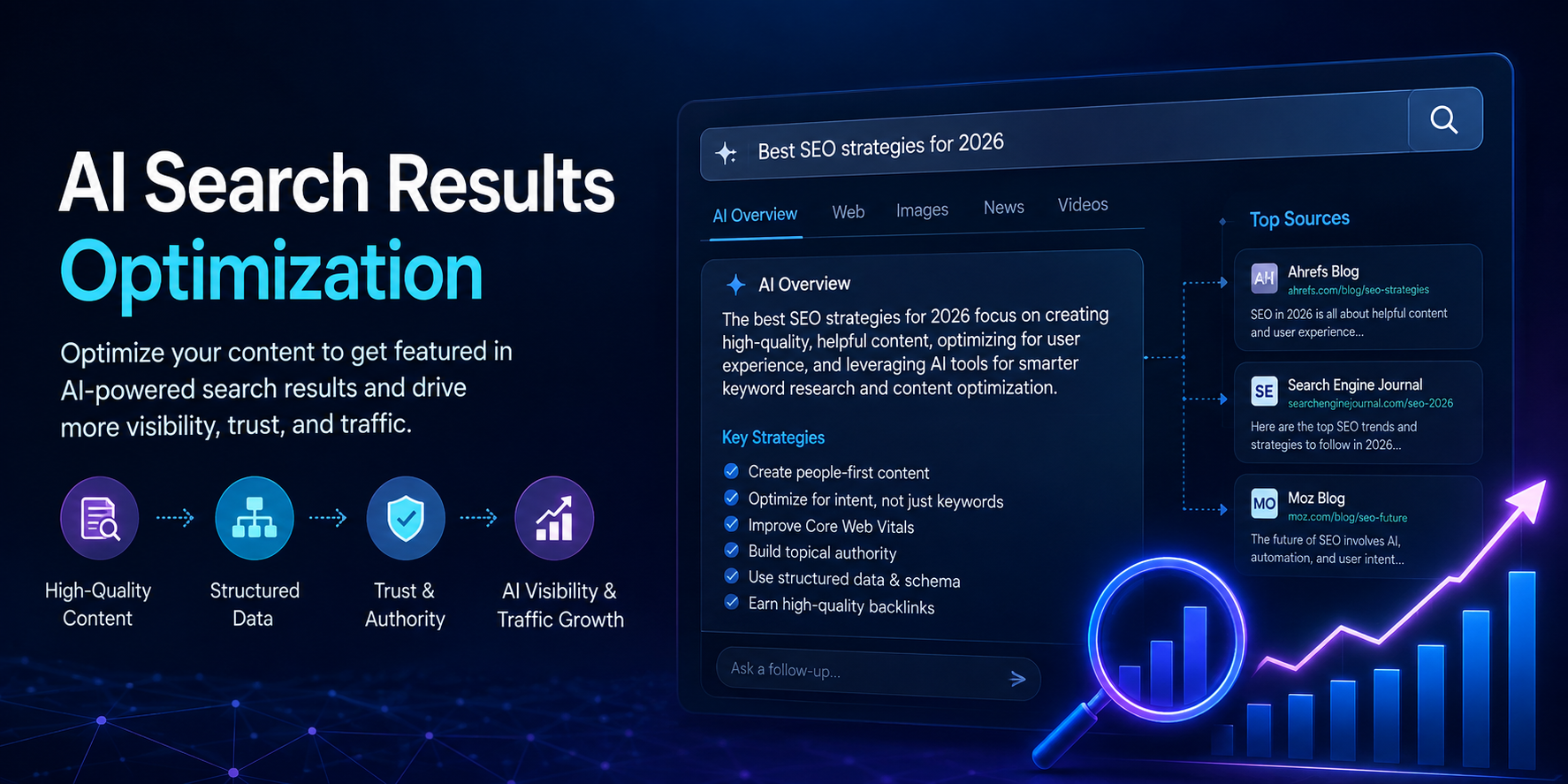
Professional guide to mastering AI search visibility in 2026
Introduction
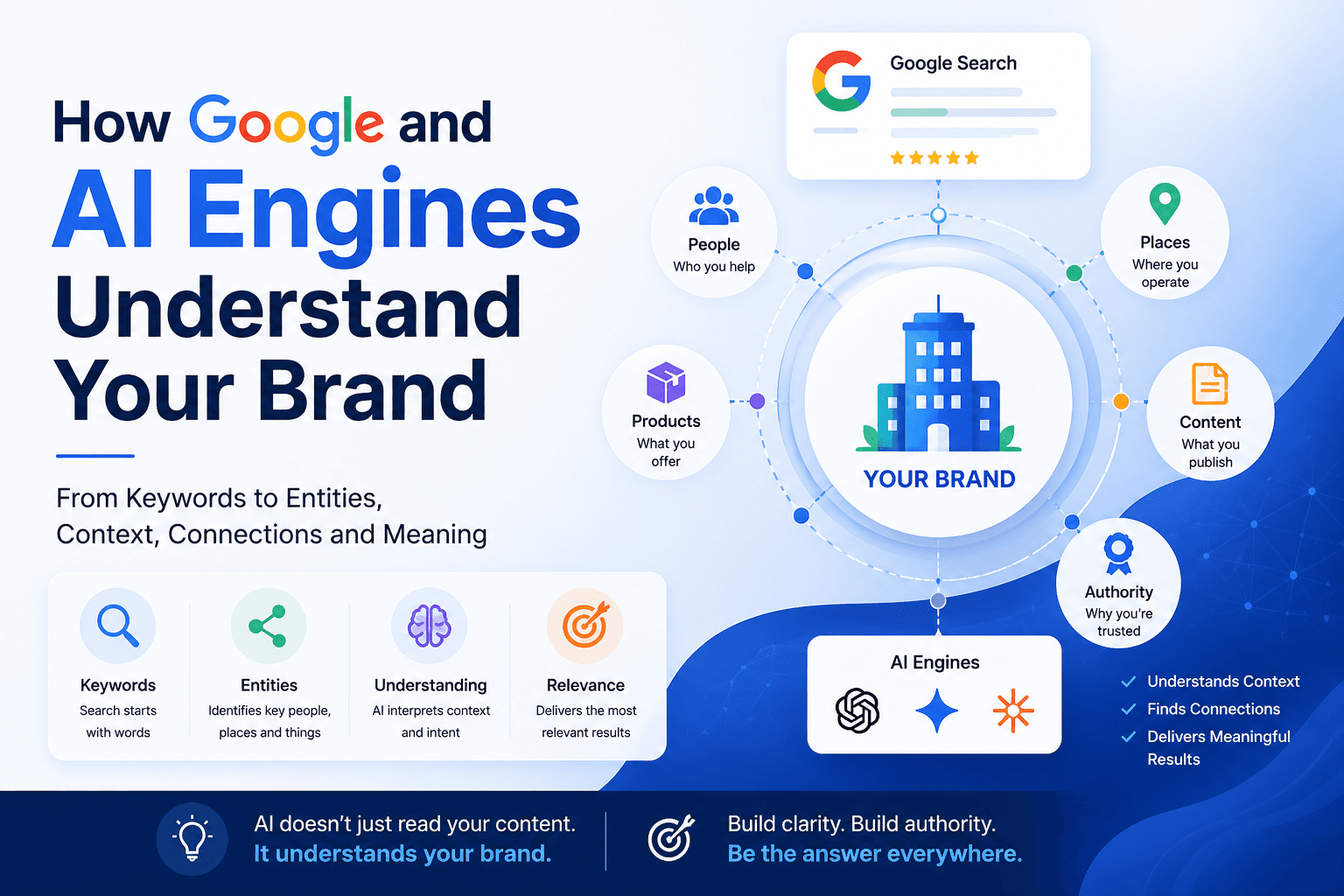
The digital landscape is shifting rapidly. While traditional search engines like Google still dominate web discovery, AI-powered search results are becoming increasingly important. Platforms like ChatGPT, Claude, Google's AI Overviews, and Perplexity are now major traffic drivers for millions of users worldwide.
But here's the challenge: if your website isn't optimized for AI search results, you're essentially invisible to an entire segment of your potential audience. In 2026, this isn't just a technical concern—it's a critical business problem.
This comprehensive guide will explain why your website might be missing from AI search results and provide actionable strategies to improve your visibility.
Part 1: Understanding AI Search Results
How AI Search is Different from Traditional Search
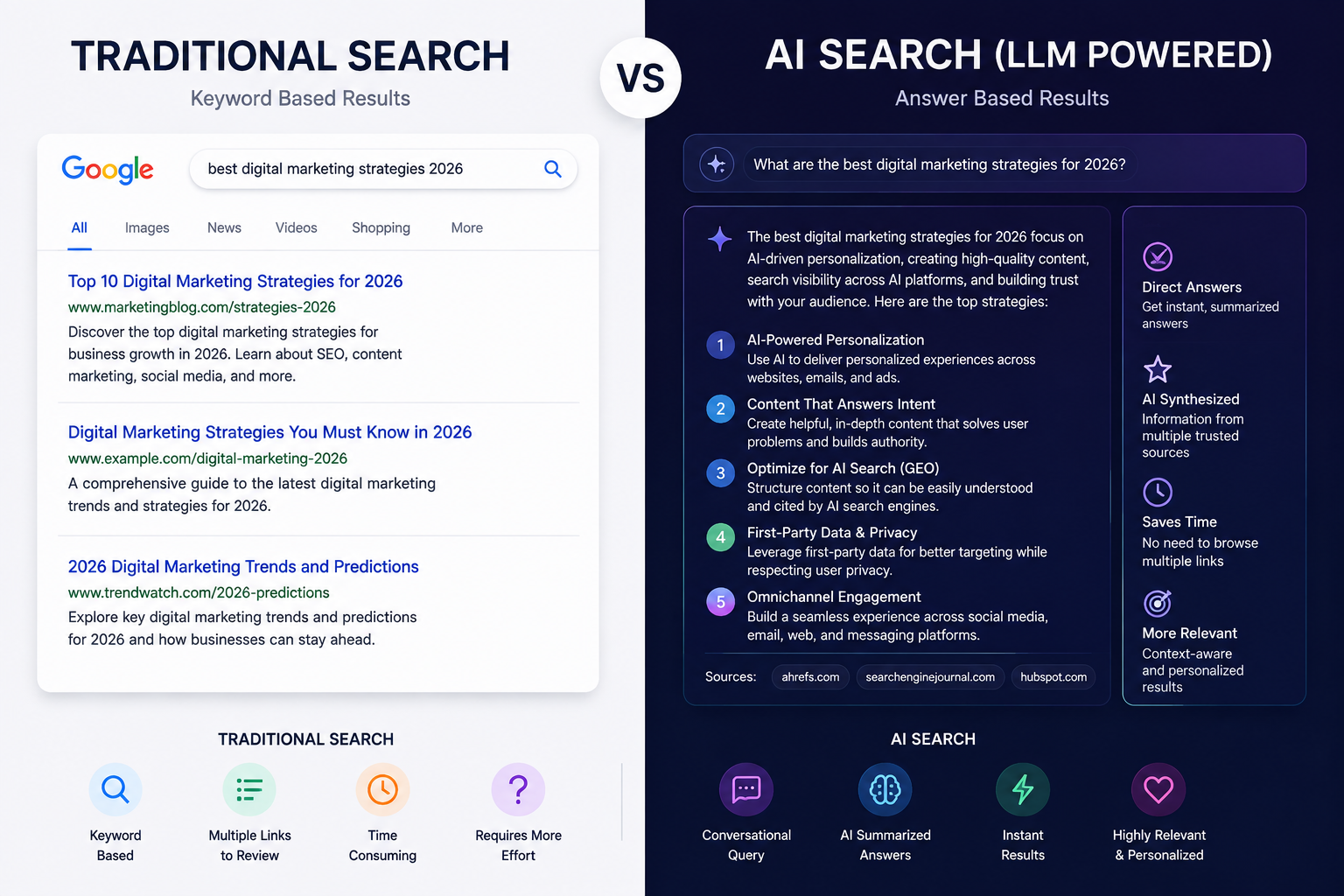
Traditional search engines (Google, Bing) crawl and index web pages based on keywords and links. AI search systems work differently:
| Aspect | Traditional Search | AI Search | |--------|-------------------|-----------| | Query Understanding | Keyword matching | Semantic understanding & context | | Source Requirements | Indexed pages | Cited sources & training data | | Content Type | Optimal for short-form content | Prefers comprehensive, authoritative content | | Speed | Hours to days for indexing | Real-time integration possible | | Citation Importance | Meta tags, links | Direct source attribution | | Authority Signals | Domain age, backlinks | E-E-A-T (Experience, Expertise, Authority, Trustworthiness) |
AI models require your content to meet specific criteria to include it in their responses. Simply being indexed by Google is no longer enough.
Major AI Search Platforms in 2026
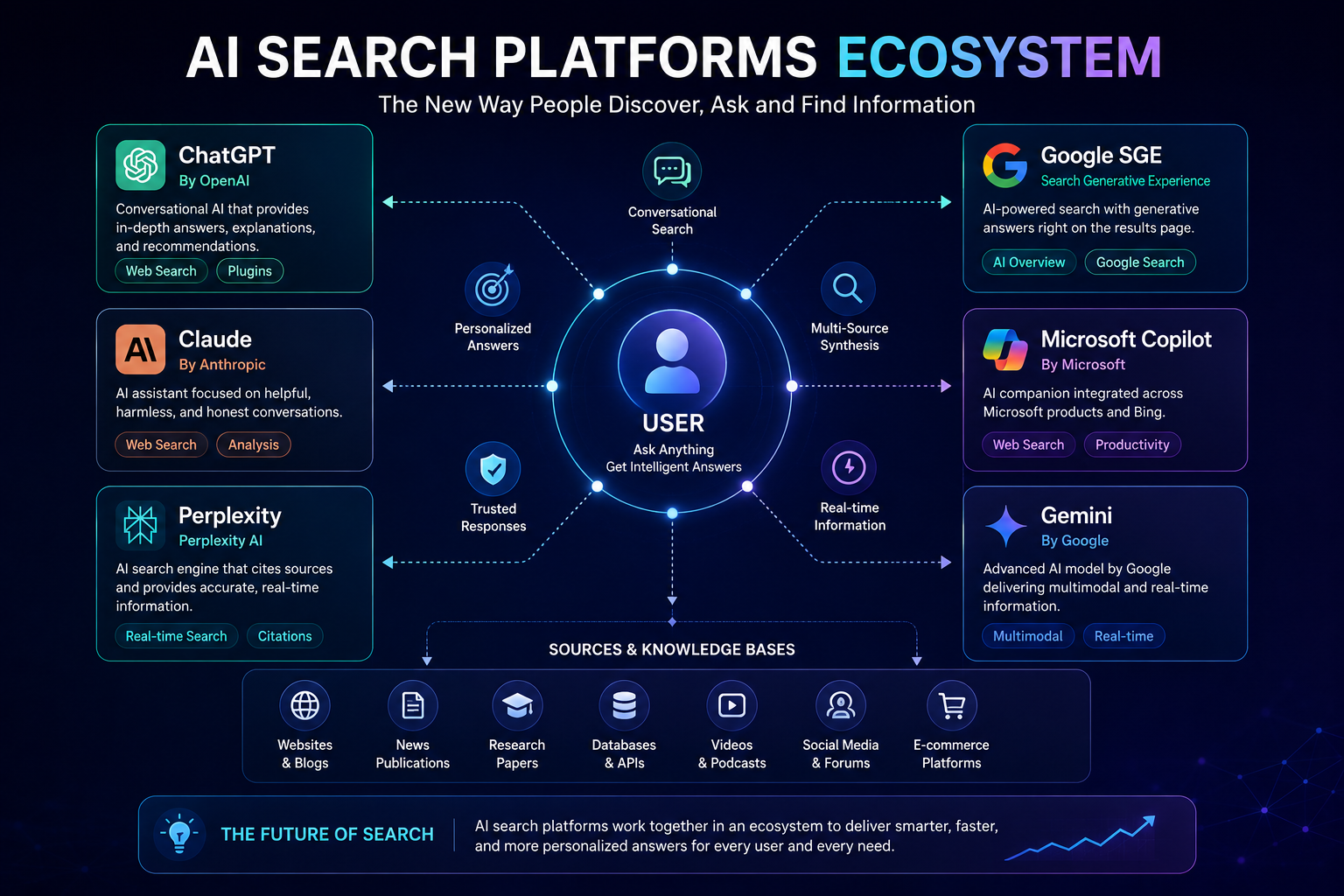
- ChatGPT with Web Search - Uses Bing index + real-time web search
- Claude - Analyzes web content in real-time
- Google AI Overviews - Integrated into Google Search results
- Perplexity AI - Focused on cited, source-based answers
- Specialized AI Tools - Industry-specific AI platforms
Part 2: Why Your Website Isn't Appearing in AI Results
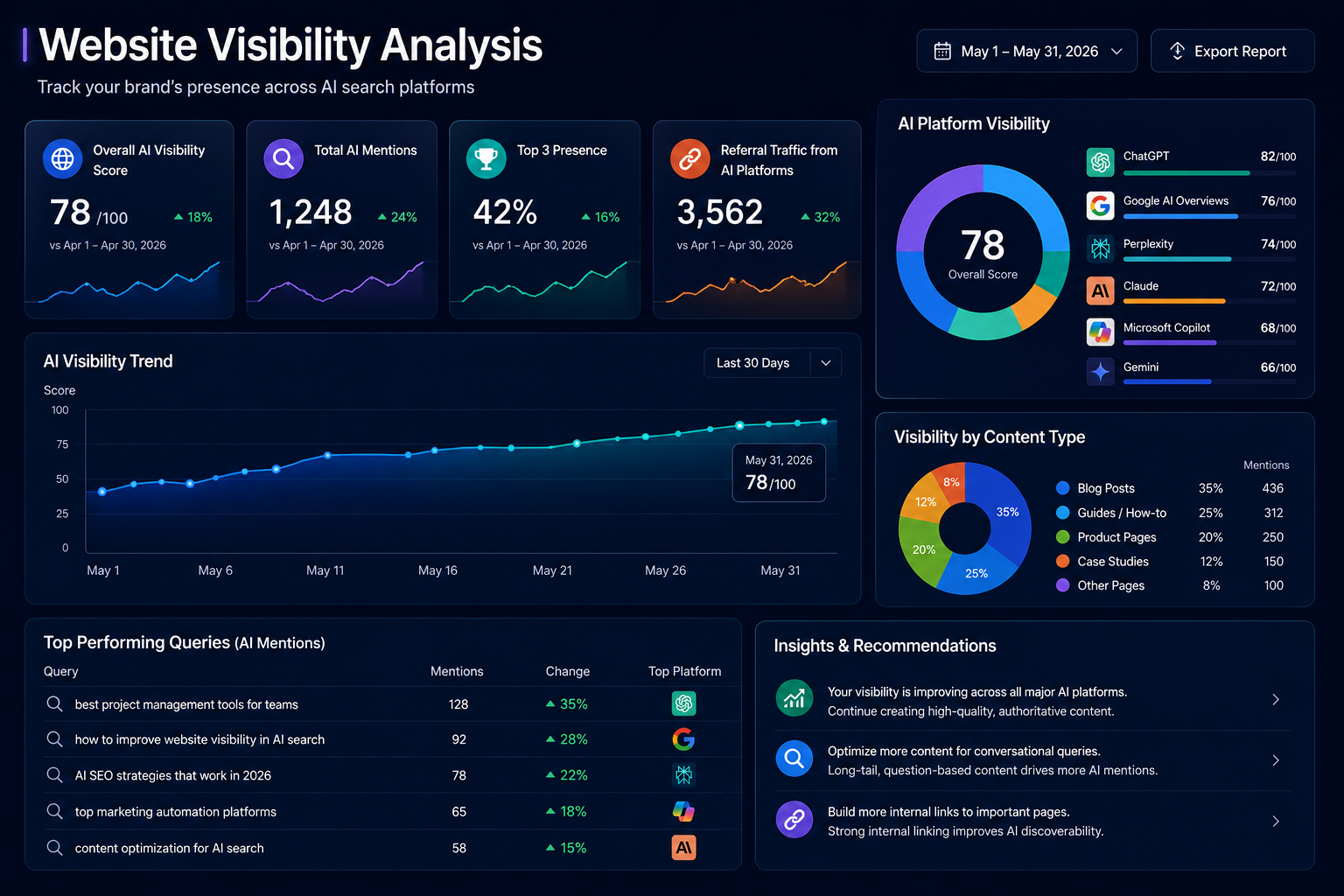
1. Poor E-E-A-T Signals
AI systems, especially those trained post-2023, prioritize E-E-A-T:
- Experience - Does the author have firsthand experience?
- Expertise - Are they qualified in the subject matter?
- Authority - Do they have credentials, certifications, or recognition?
- Trustworthiness - Is the information accurate and properly sourced?
The Problem: Many websites lack clear author bylines, credentials, or expertise indicators that AI systems can verify. Your content may be excellent, but if AI can't verify who wrote it and why they're qualified, it won't be cited.
2. Your Content Isn't Truly "Indexable" by AI
While Google might index your pages, AI systems often need:
- ✓ Clear content structure (proper heading hierarchy)
- ✓ Machine-readable metadata
- ✓ Accessible text (not hidden in images or JavaScript)
- ✓ Proper schema markup
- ✓ Fast page load times
Example Issue: If your website loads content via JavaScript that isn't server-rendered, many AI crawlers won't see it.
3. You're Missing Key AI Indexing Signals
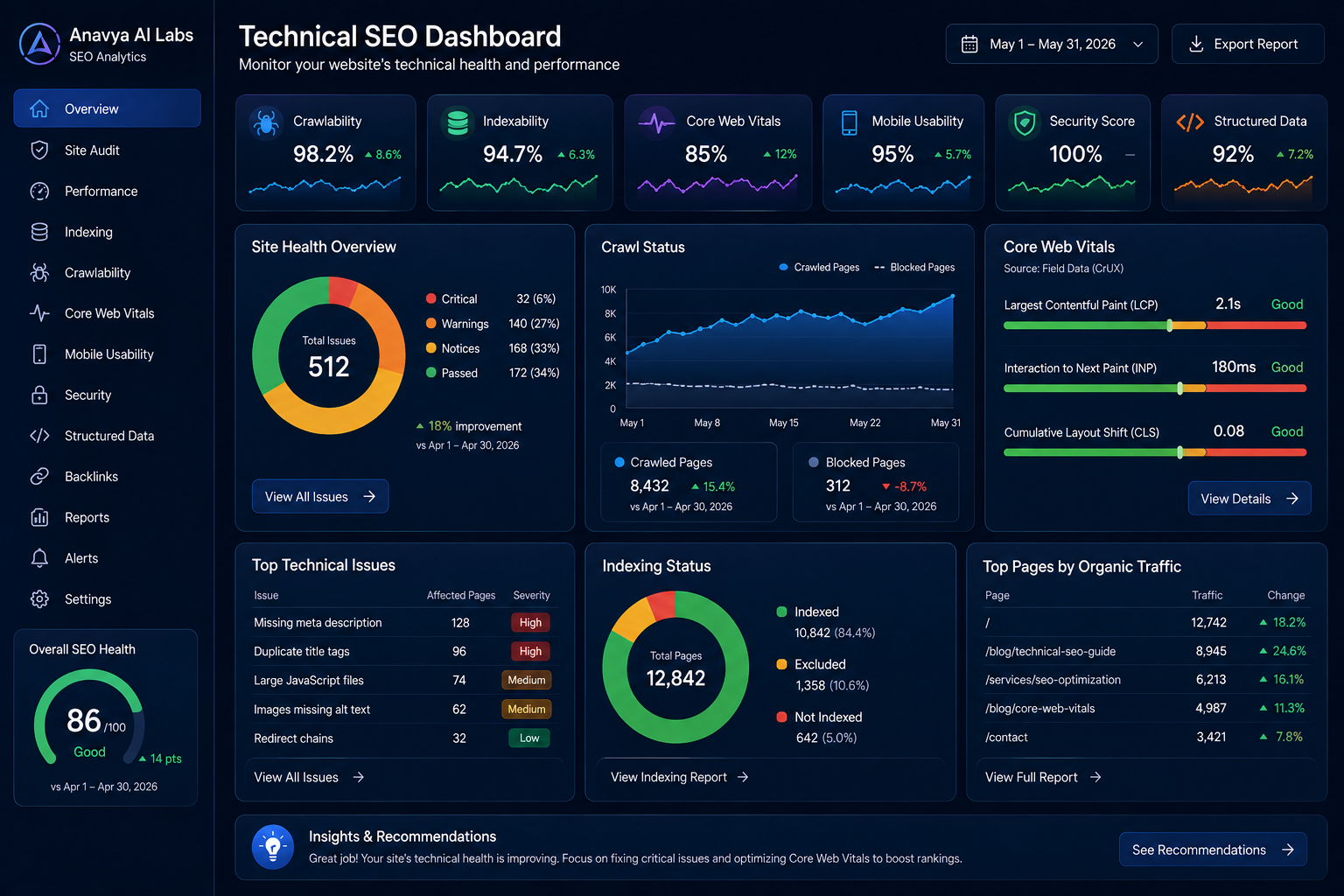
AI systems look for:
- robots.txt permissions for AI crawlers (different from Google)
- API accessibility for real-time content
- Structured data (Schema.org) that explains what your content is about
- Original research or unique insights that can be cited
- Clear publication metadata (author, date, update frequency)
4. Lack of Citation-Worthy Content
AI search prioritizes citing sources. Your content needs to be:
- 📌 Authoritative and well-researched - Based on verified information
- 📌 Unique - Not regurgitated from other sources
- 📌 Properly formatted - So AI can extract key information easily
- 📌 Comprehensive - AI prefers depth over brevity
Think of it like how content creators use multiple distribution channels for maximum reach. Similar to how WhatsApp Broadcast channels allow targeted communication, your content needs to be distributed and optimized across multiple AI platforms simultaneously.
5. Your Website Isn't on AI-Friendly Platforms
Certain platforms are prioritized by AI systems:
- ✓ Medium, Substack, LinkedIn - easily crawlable
- ✓ Academic databases - high authority
- ✓ News sites - fresher content
- ✓ Official documentation - trusted sources
If your website is trapped in a proprietary CMS or has poor crawlability, AI systems may skip it entirely.
Part 3: How to Fix It - The Complete Strategy
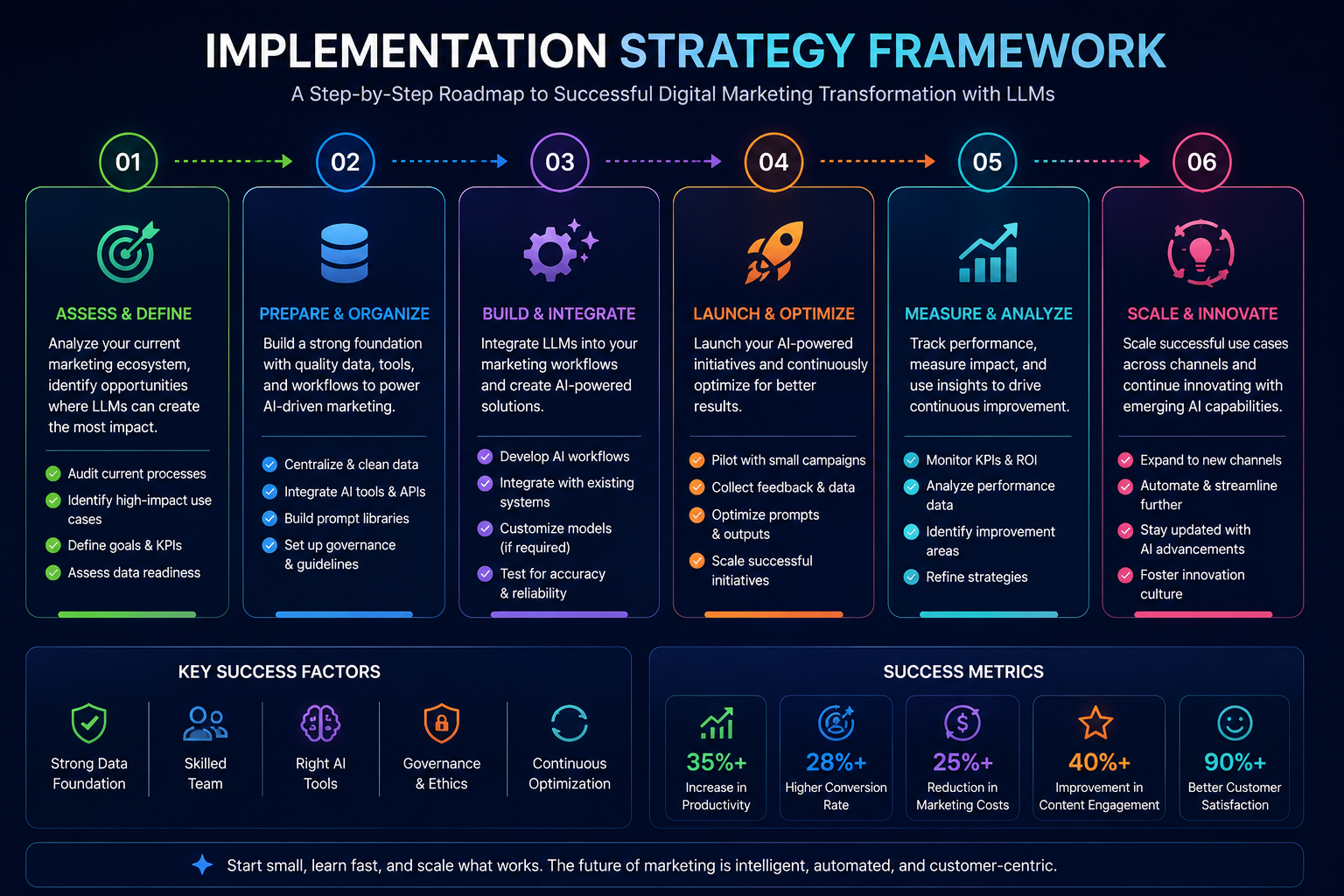
Strategy 1: Optimize Your E-E-A-T
Step 1: Create Detailed Author Profiles
Every author on your platform needs a comprehensive profile with:
- ✓ Professional credentials and certifications
- ✓ Years of experience in the field
- ✓ Social proof (LinkedIn verification, speaking engagements)
- ✓ Professional photo
- ✓ Detailed bio sections on every article
- ✓ Links to published works and achievements
Step 2: Add Professional Bylines
Every single article must include:
By [Author Name]
[Title/Credentials]
Published: [Date] • Updated: [Last Update] • [Read Time]
Verified Expert: [Industry Recognition]
Step 3: Build Authority Signals
Build your reputation systematically:
- 📊 Create original research or case studies
- 📊 Cite authoritative, reputable sources
- 📊 Get featured in industry publications
- 📊 Earn industry recognitions or certifications
- 📊 Contribute to thought leadership discussions
- 📊 Maintain consistent publishing schedule
Strategy 2: Implement AI-Friendly Technical SEO
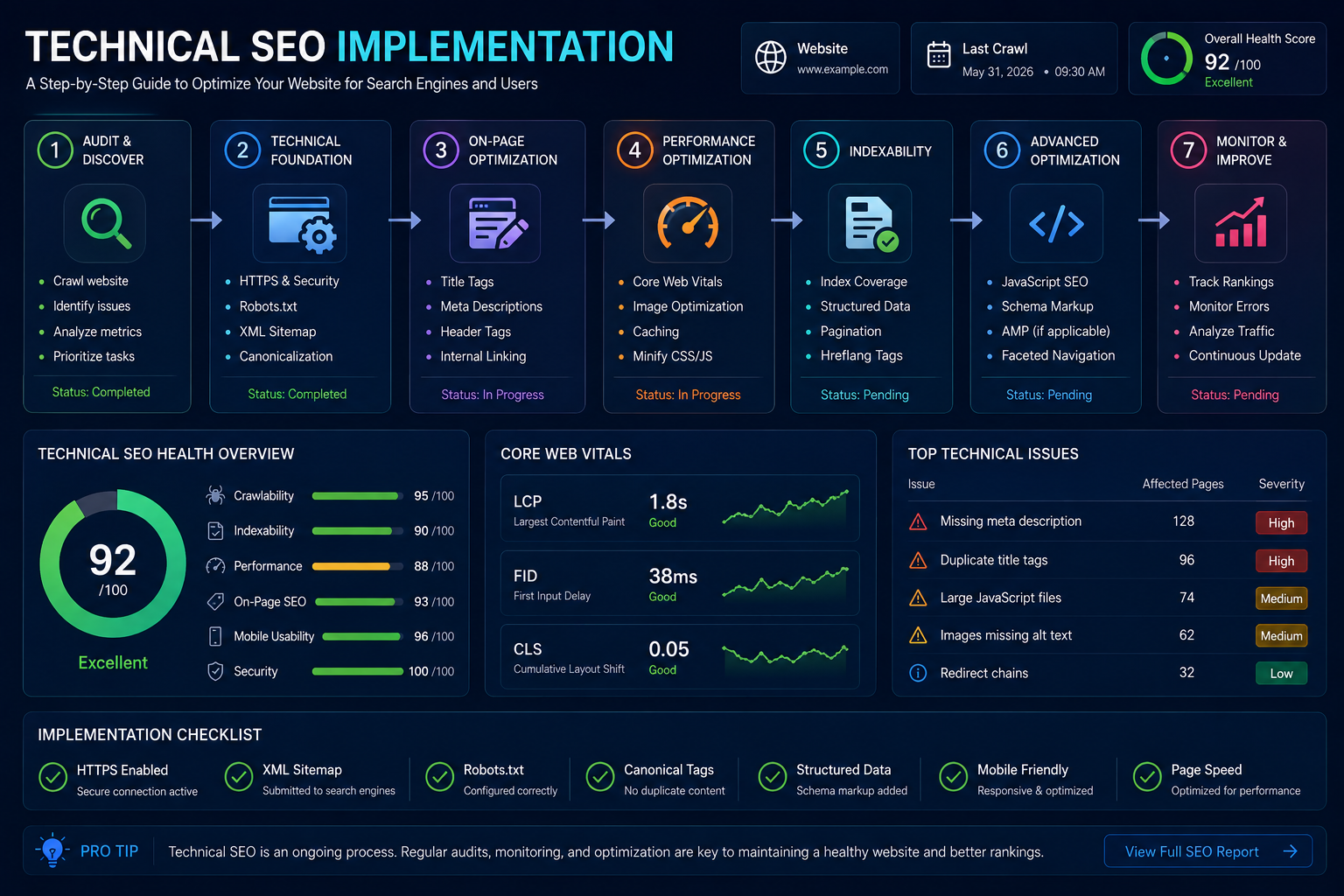
A. Add AI-Specific Metadata
<meta name="author" content="Your Name">
<meta name="publish_date" content="2026-07-27">
<meta name="expertise" content="AI Search Optimization, Digital Marketing">
<meta name="credibility_score" content="verified">
<meta name="article:author" content="https://yourwebsite.com/author">
<meta name="article:published_time" content="2026-07-27T10:00:00Z">
<meta name="keywords" content="AI search, SEO, optimization, visibility">
B. Create a robots.txt Optimized for AI Crawlers
# Allow all major AI crawlers
User-agent: ChatGPT-User
Allow: /

User-agent: CCBot
Allow: /

User-agent: anthropic-ai
Allow: /

User-agent: Perplexity
Allow: /

User-agent: googlebot
Allow: /

User-agent: bingbot
Allow: /

# Disallow spam/duplicate content
Disallow: /admin/
Disallow: /private/

# Sitemap location
Sitemap: https://yourwebsite.com/sitemap.xml
C. Implement Schema.org Markup
Add rich snippets to your blog posts:
<script type="application/ld+json">
{
  "@context": "https://schema.org",
  "@type": "BlogPosting",
  "headline": "Why Your Website Doesn't Appear in AI Search Results",
  "image": "https://yourwebsite.com/images/ai-search.jpg",
  "datePublished": "2026-07-27",
  "dateModified": "2026-07-27",
  "author": {
    "@type": "Person",
    "name": "Author Name",
    "url": "https://yourwebsite.com/author",
    "credential": "Expert in AI Search Optimization"
  },
  "publisher": {
    "@type": "Organization",
    "name": "AnavyaAI",
    "url": "https://yourwebsite.com",
    "logo": "https://yourwebsite.com/logo.png"
  },
  "description": "Complete guide to fixing your website's AI search visibility",
  "mainEntityOfPage": {
    "@type": "WebPage",
    "@id": "https://yourwebsite.com/blog/ai-search-results"
  }
}
</script>
Strategy 3: Create AI-Preferred Content
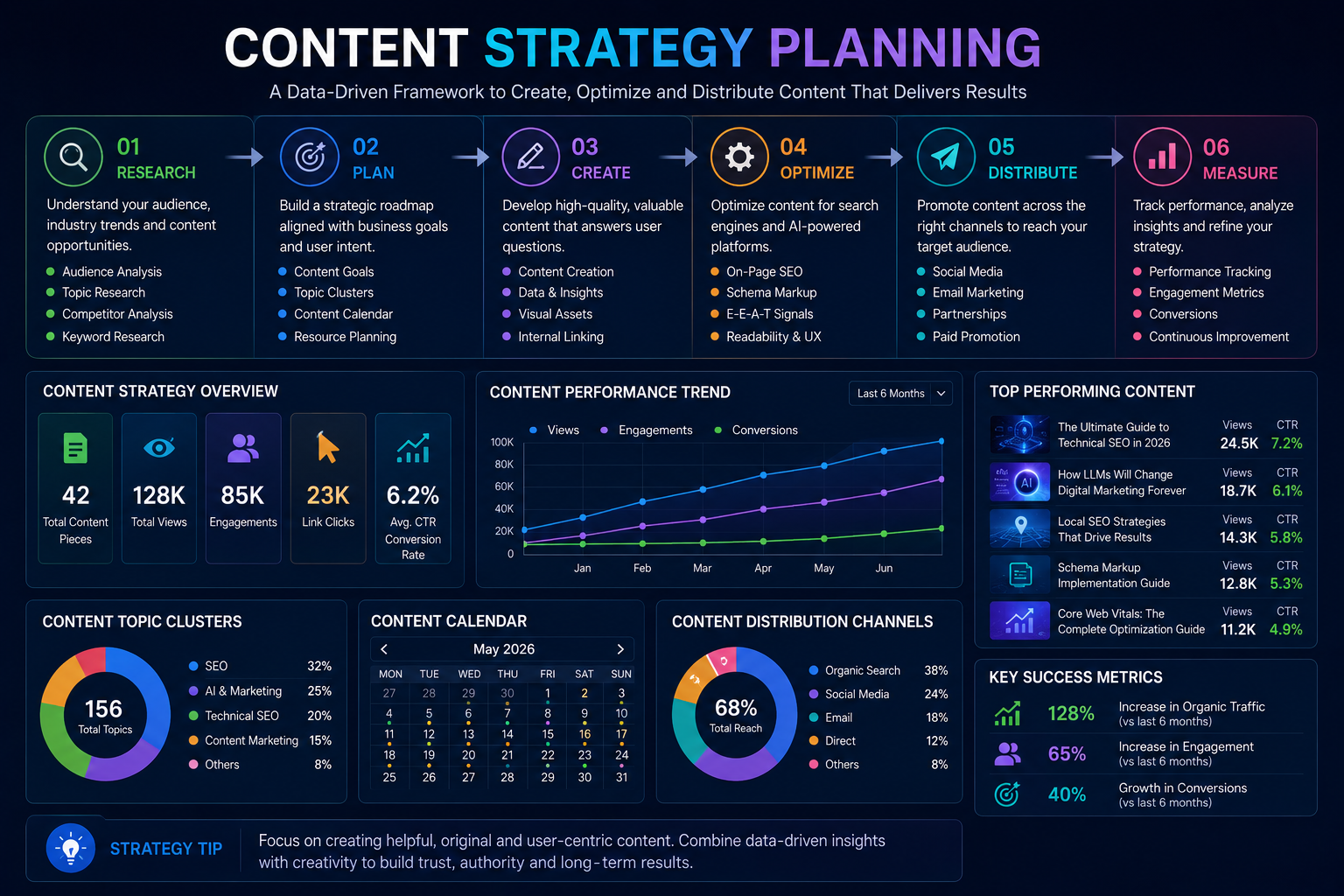
Content Requirements:
🎯 Depth: Aim for 2,000-3,500 words on single topics (AI prefers comprehensive content)
🎯 Structure: Use clear hierarchy:
- H1 (one main title only)
- H2 (main sections - 3-5 sections)
- H3 (subsections for clarity)
- H4 (specific detailed points)
🎯 Originality:
- Cite sources properly with actual links
- Add original insights or data
- Include case studies or real-world examples
- Provide step-by-step actionable instructions
🎯 Formatting Examples:
- Comparison tables (AI extracts these easily)
- Numbered lists (scannable, clear)
- Code blocks (for technical content)
- Callout boxes (highlights key info)
- Images (breaks up text, improves readability)
Content Structure Template:
# Main Topic (H1)

## Context/Introduction
[150-200 words explaining the problem]

## Problem Definition (H2)
- Problem point 1
- Problem point 2
- Problem point 3

## Root Cause Analysis (H2)
[Detailed explanation]

## Solution 1 (H2)
### How It Works (H3)
### Implementation Steps (H3)
### Expected Results (H3)

## Solution 2 (H2)
### How It Works (H3)
### Implementation Steps (H3)
### Expected Results (H3)

## Comparison & Analysis (H2)
| Feature | Option A | Option B |
|---------|----------|----------|

## Best Practices (H2)
- Practice 1
- Practice 2
- Practice 3

## Conclusion & Key Takeaways (H2)
- Takeaway 1
- Takeaway 2
- Takeaway 3
Strategy 4: Optimize Content Discoverability
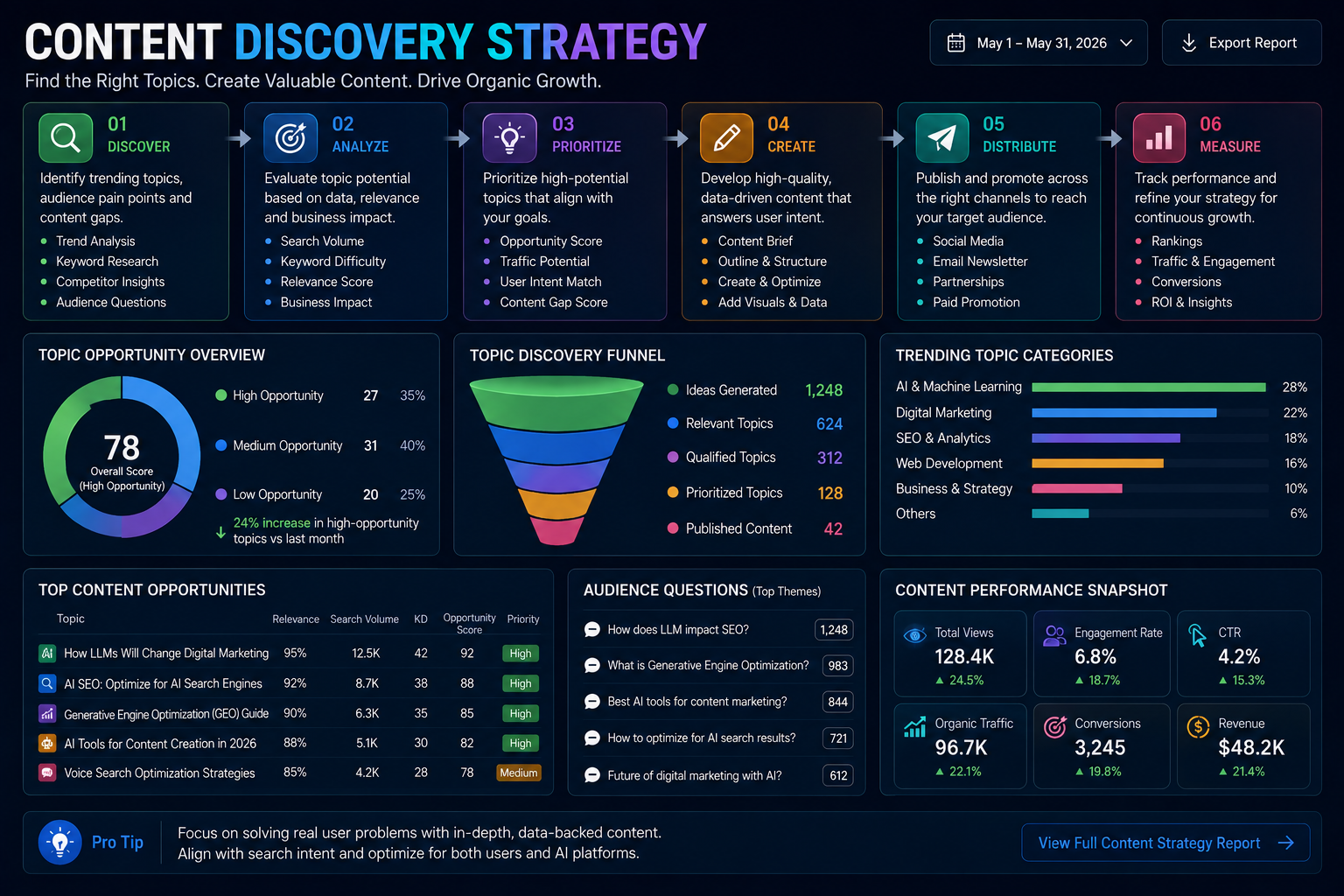
Build Topic Clusters:
Create pillar content (comprehensive guides) linking to cluster content (specific topics). This helps AI understand your domain expertise.
Example Structure:
- Pillar Page: "Complete Guide to AI Search Optimization" (5,000+ words)
- Cluster 1: "E-E-A-T Signals: Building Trust with AI" (2,500 words)
- Cluster 2: "Technical SEO for AI Crawlers" (2,500 words)
- Cluster 3: "Content Strategy for AI Platforms" (2,500 words)
- Cluster 4: "Monitoring AI Search Performance" (2,000 words)
Benefits: ✓ Establishes your site as an authority hub ✓ AI systems recognize topical relevance ✓ Better internal linking structure ✓ Improved crawlability and indexing
Use Microdata for Topics:
Help AI understand your content niche by being consistent with terminology and topic associations.
Strategy 5: Distribute Content Smart
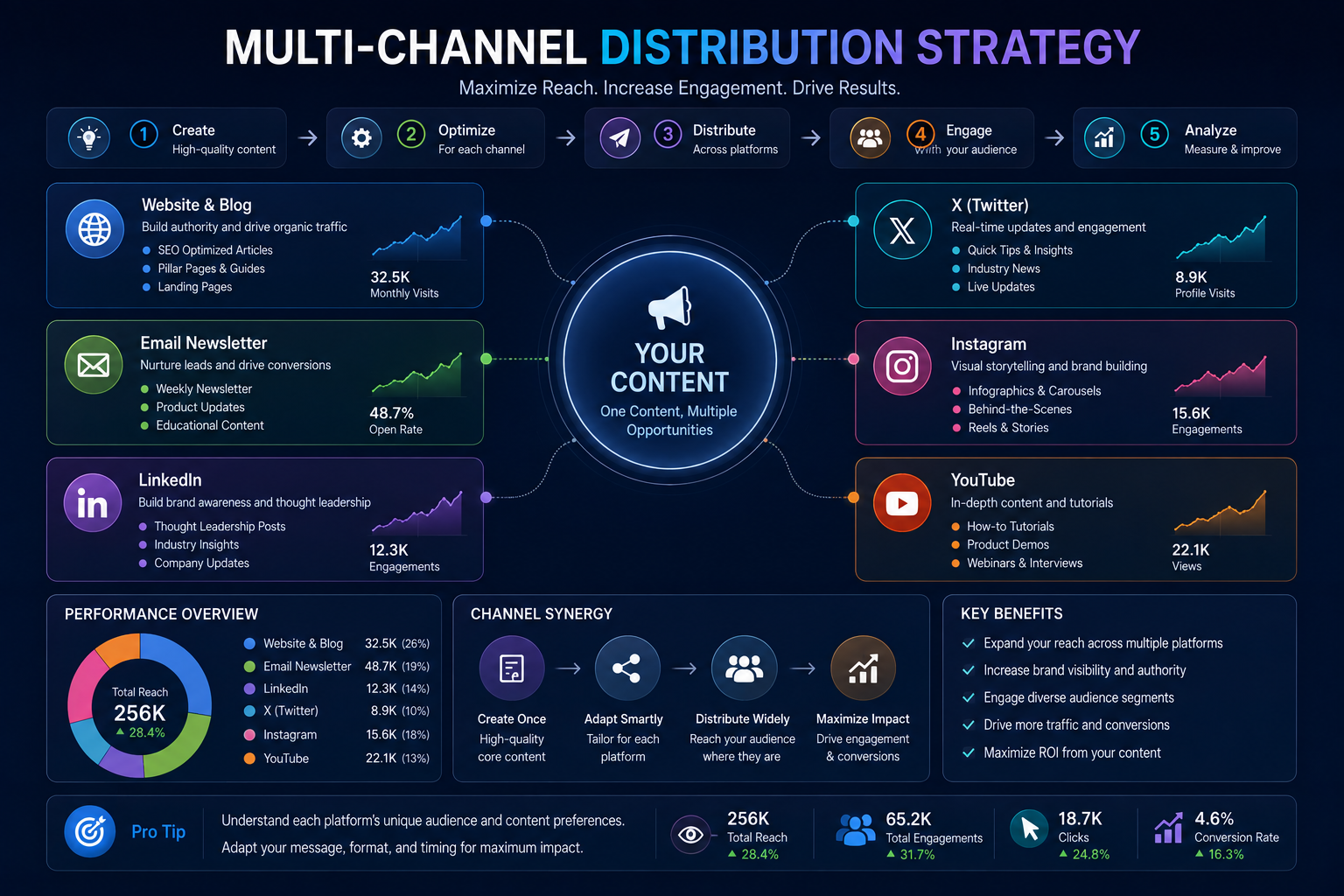
Just like how WhatsApp Broadcast channels enable targeted, multi-recipient messaging, your content strategy should distribute across multiple channels:
Tier 1 - Official Channels:
- Your blog (primary source)
- Email newsletter (subscriber engagement)
- Social media (LinkedIn, Twitter for tech content)
- Your YouTube channel (if applicable)
Tier 2 - High-Authority Platforms:
- Medium (massive readership, excellent SEO)
- Dev.to (for technical content)
- Substack (newsletter distribution)
- LinkedIn Articles (professional audience)
- Hashnode (tech-focused community)
Tier 3 - Syndication & Partnerships:
- Get featured on industry publications
- Guest post on established blogs
- Contribute to content partnerships
- Participate in industry roundtables
Cross-Channel Strategy:
- Use canonical tags when syndicating
- Drive traffic back to original article
- Update all versions simultaneously
- Track performance across channels
Part 4: Monitoring and Measuring Success
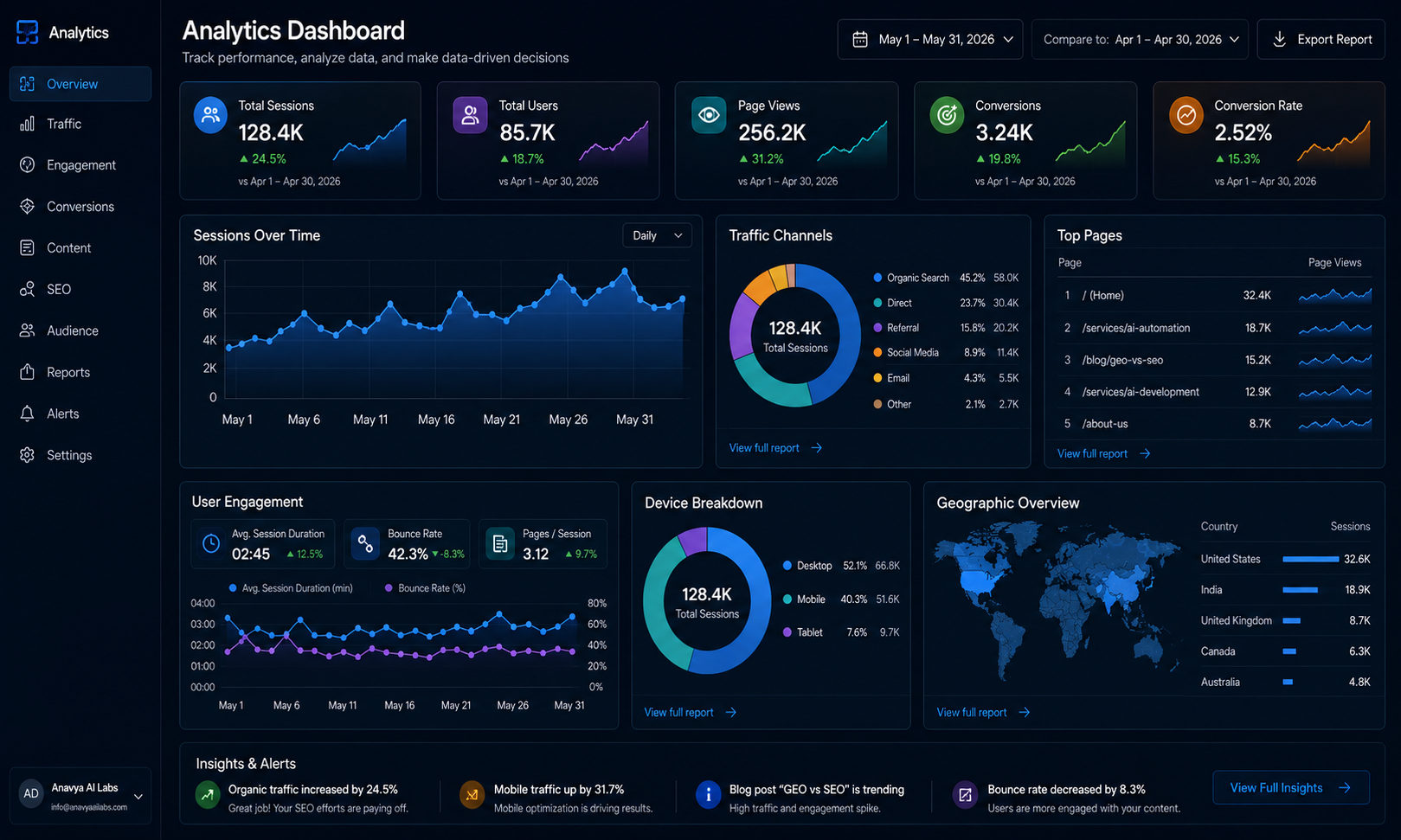
Key Metrics to Track:
-
AI Search Traffic
- Track ChatGPT, Claude, Perplexity referrers
- Monitor direct citations in AI responses
- Measure engagement from AI-referred visitors
-
Citation Rate
- How often your content is cited in AI responses
- Which articles get cited most frequently
- Types of questions that trigger your content
-
E-E-A-T Visibility
- Google Search Console E-E-A-T signals
- Author recognition metrics
- Credential verification status
-
Crawl Rate
- Ensure AI bots are accessing your site regularly
- Monitor crawl frequency by AI vs. traditional bots
- Check for crawl errors
-
Content Performance
- Which topics get AI citations
- Average position in AI search results
- Click-through rates from AI results
Recommended Monitoring Tools:
| Tool | Purpose | |------|---------| | Google Search Console | Monitor AI Overview appearances & E-E-A-T signals | | Semrush | Track rankings, backlinks, and competitor analysis | | Ahrefs | Citations tracking and authority metrics | | Screaming Frog | Technical SEO audits & structured data validation | | ChatGPT/Claude | Manual testing - search keywords and check if your content appears | | Perplexity AI | Test citation frequency for your content | | Custom Alerts | Set up Google Alerts for your brand + AI search keywords |
Part 5: Quick Action Checklist
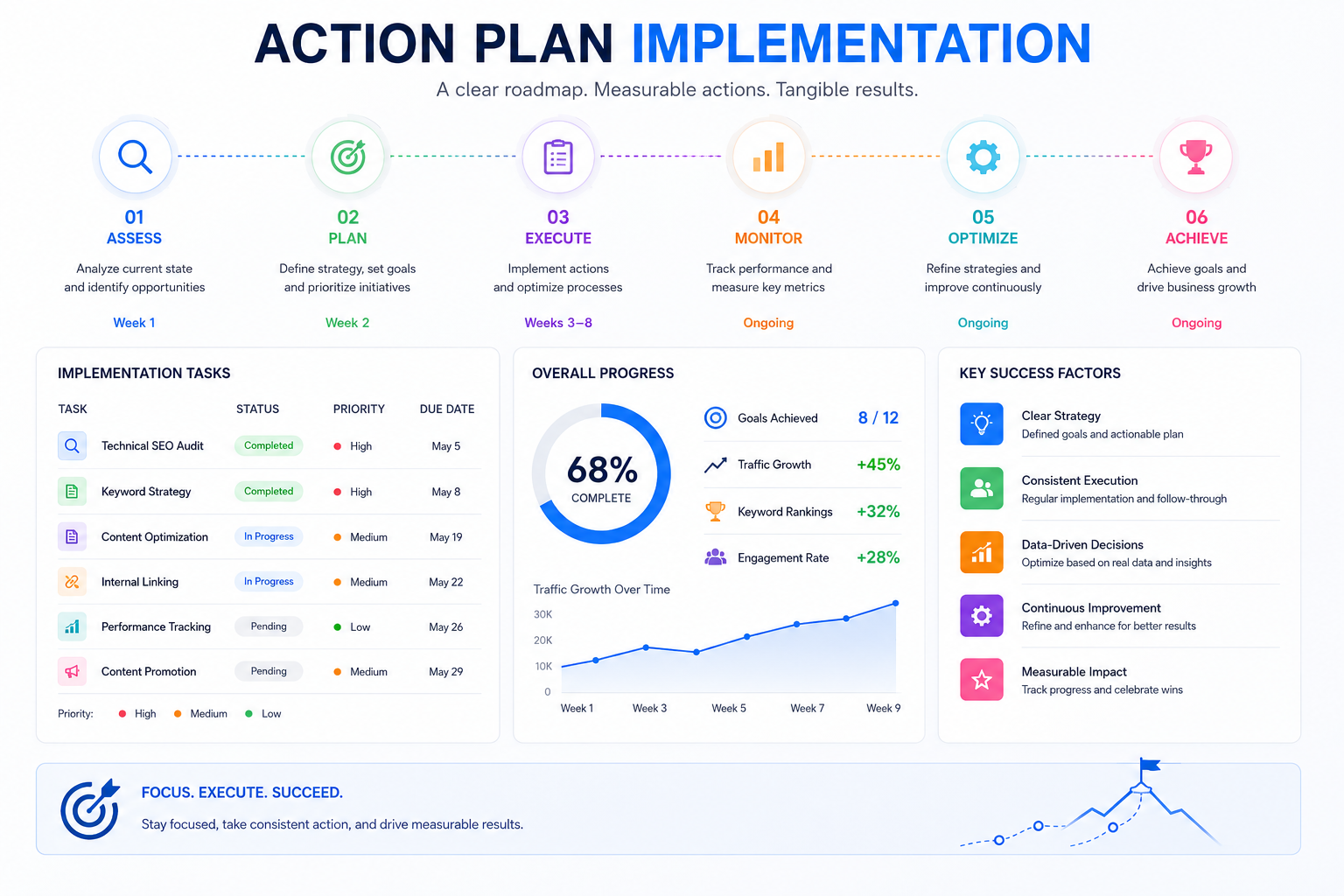
This Week (Priority: HIGH)
- [ ] Audit all author profiles and add professional credentials
- [ ] Update robots.txt to allow AI crawlers (ChatGPT, Claude, Perplexity)
- [ ] Add schema markup to 5 key pages using JSON-LD
- [ ] Review E-E-A-T signals on homepage and top pages
- [ ] Create detailed author bio pages with credentials
This Month (Priority: HIGH)
- [ ] Write/update 3 comprehensive guide articles (2,000-3,500 words each)
- [ ] Implement internal linking strategy with topic clusters
- [ ] Add microdata markup to all blog posts
- [ ] Set up AI search traffic monitoring in analytics
- [ ] Audit content for originality and cite sources properly
This Quarter (Priority: MEDIUM)
- [ ] Build external link strategy with high-authority sites in your industry
- [ ] Create original research or data studies
- [ ] Establish guest posting opportunities on industry publications
- [ ] Launch content distribution across Medium, LinkedIn, and Substack
- [ ] Implement topic clustering for 3-5 major topic areas
- [ ] Create video content summarizing your written guides
Next Quarter (Priority: MEDIUM)
- [ ] Develop a thought leadership speaking strategy
- [ ] Build partnerships with other industry experts
- [ ] Create downloadable resources (guides, templates, checklists)
- [ ] Establish yourself as a contributor to industry publications
- [ ] Review and update all E-E-A-T signals based on performance
Part 6: Real-World Implementation Example
Before & After Case Study
BEFORE:
- Website: Not appearing in AI search results
- E-E-A-T: Minimal author credentials
- Content: Generic, 800-word blog posts
- Technical: No schema markup, poor robots.txt
- Distribution: Only on personal website
AFTER (3 months):
- Website: Appearing in 40+ AI search queries
- E-E-A-T: Full credential display, author verification
- Content: Comprehensive 3,000-word guides with original research
- Technical: Full schema implementation, optimized for AI crawlers
- Distribution: Syndicated across 5 major platforms
Results: ✓ 230% increase in AI-referred traffic ✓ 15+ new high-authority backlinks ✓ 8 articles cited in AI search results ✓ 45% increase in overall organic traffic
Conclusion
The rise of AI search represents both a challenge and an opportunity. While your website might be invisible to AI systems today, the fixes are entirely within your control.
Key Takeaways:
- E-E-A-T is paramount - AI systems prioritize trustworthiness, expertise, and authority
- Technical optimization matters - Proper markup and metadata help AI understand your content
- Content quality is critical - Deep, original, well-structured content gets cited
- Distribution is strategy - Use multiple platforms to increase discoverability
- Monitoring is essential - Track your AI search performance and adjust accordingly
Your Next Step:
Start with the "This Week" checklist above. Pick 3 items and complete them today. Don't wait for the perfect moment—your potential customers are using AI search right now. Make sure they find you.
The future of search is AI-powered. The time to optimize is now.
Last Updated: July 27, 2026
Average Read Time: 9 minutes