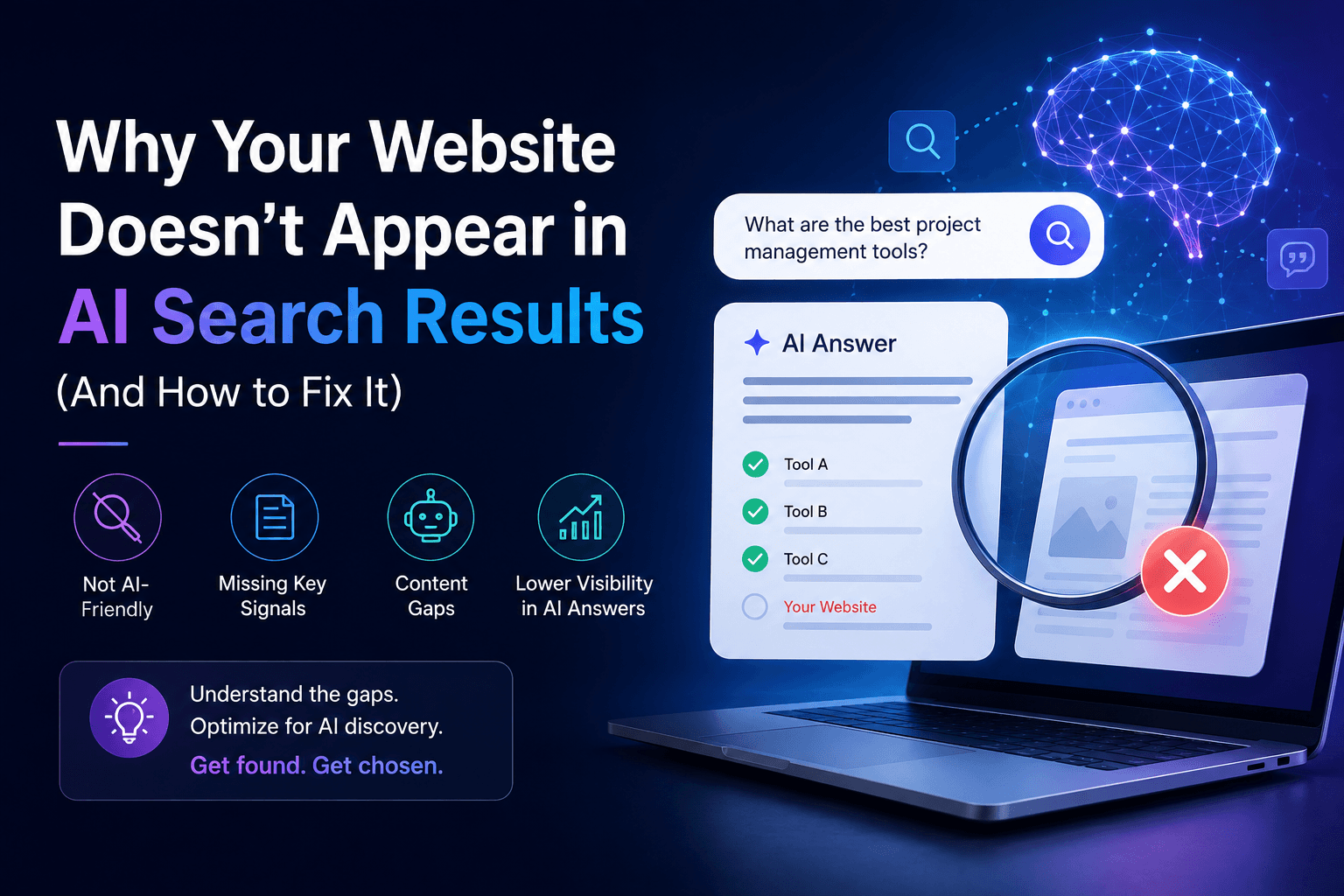
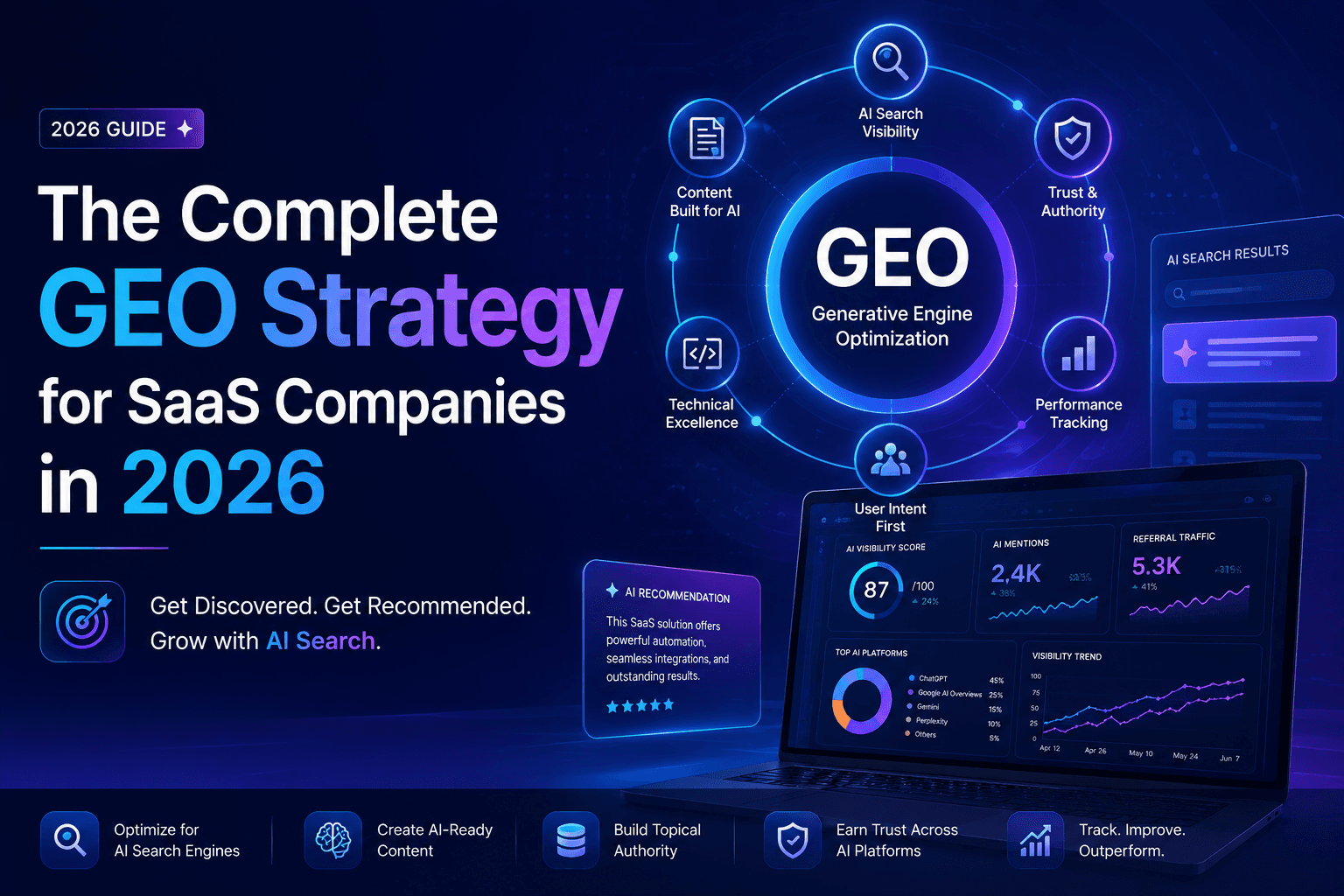
Introduction: The Rise of Generative Engine Optimization
The search landscape has fundamentally shifted. In 2026, SaaS companies can no longer rely solely on traditional SEO. The emergence of generative AI search engines—ChatGPT, Google's AI Overviews, Claude, Perplexity, and others—has created an entirely new optimization frontier: Generative Engine Optimization (GEO).
While traditional SEO focuses on ranking keywords and driving clicks, GEO focuses on becoming the trusted source that AI models cite and recommend. For SaaS companies, this distinction is critical. When an AI answers a user's question and attributes your solution, you're not just ranking—you're positioning yourself as the authority.
This guide walks you through the complete GEO strategy for 2026.
What is Generative Engine Optimization (GEO)?
GEO is the practice of optimizing your content, technical infrastructure, and brand authority so that generative AI models cite you, recommend you, and attribute insights to your company.
Key Differences: GEO vs. Traditional SEO
| Aspect | Traditional SEO | GEO | |--------|-----------------|-----| | Primary Goal | Drive clicks from search results | Be cited by AI models | | Focus | Keywords, backlinks, ranking position | Authority, trustworthiness, cited sources | | Content Type | Optimized for ranking algorithms | Optimized for model training & citation | | Measurement | CTR, impressions, rankings | Citations, mentions, model recommendations | | Time Frame | Months to years | Immediate impact possible | | Competition | Everyone on the SERP | Select authority sources |
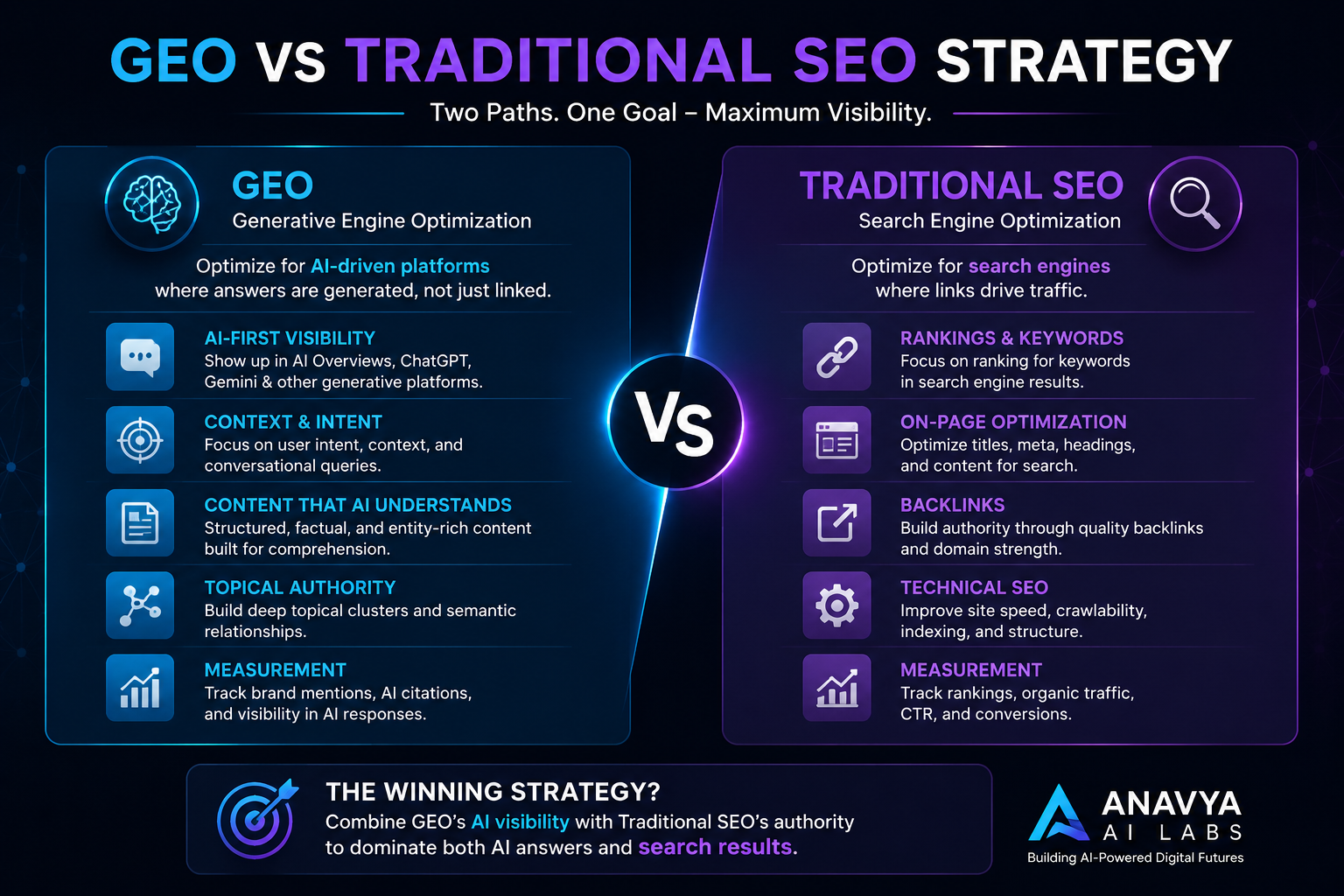 Figure 1: Understanding the shift from traditional SEO to Generative Engine Optimization in 2026
Step 1: Establish E-E-A-T (Expertise, Experience, Authorship, Trustworthiness)
AI models are trained on content from authoritative sources. To be cited, you must first prove that your brand possesses E-E-A-T—the framework Google and AI systems use to evaluate credibility.
Implementation Steps:
1. Demonstrate Expertise
- Create in-depth technical documentation about your SaaS product
- Publish original research and case studies specific to your industry
- Share data-backed insights from your customer base
- Write detailed how-to guides solving specific pain points
2. Show Real-World Experience
- Document customer success stories with measurable outcomes
- Share before-and-after metrics from implementations
- Create video walkthroughs of your product in action
- Publish quarterly industry benchmarking reports
3. Build Author Credibility
- Create detailed author bios with credentials and experience
- Link to speaking engagements and media appearances
- Establish thought leadership on LinkedIn and industry platforms
- Get bylined as author in industry publications like TechCrunch, Forbes, HubSpot
4. Increase Trustworthiness
- Display security certifications (SOC 2, ISO 27001, GDPR compliant)
- Publish transparent pricing and detailed feature comparisons
- Show customer testimonials with verifiable proof and case studies
- Maintain active, responsive customer communication channels
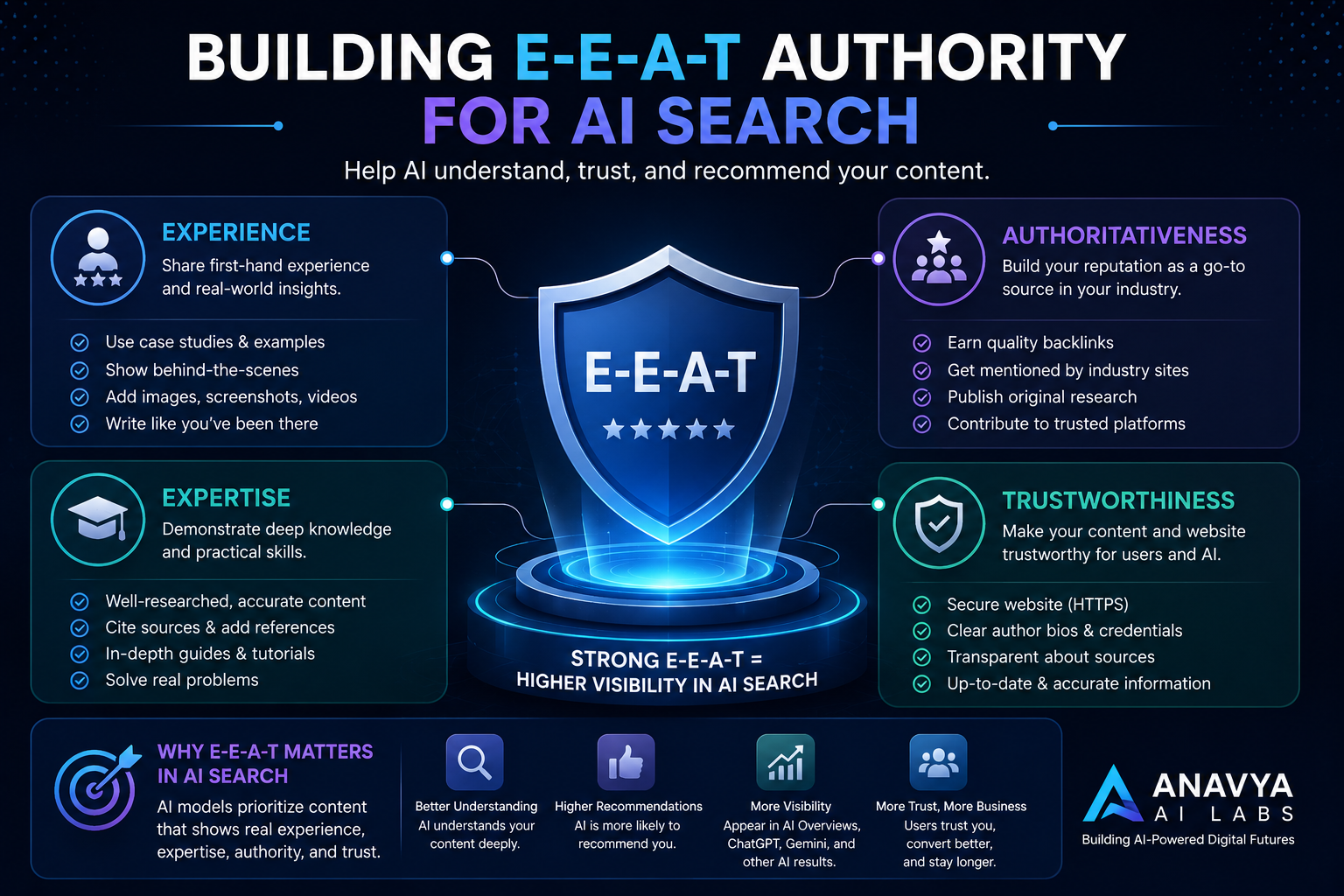 Figure 2: The four pillars of E-E-A-T that AI models trust and cite consistently
Step 2: Create Citation-Worthy Content
AI models scrape and learn from content across the web. To be cited, your content must be:
- Original (not rephrased from existing sources; unique insights)
- Data-backed (with specific statistics, percentages, and verified results)
- Comprehensive (addressing the complete topic in depth)
- Attributed (clear sourcing, author credentials, and publication dates)
Content Types That Get Cited by AI
Original Research & Data
- Conduct annual surveys of your industry with 500+ respondents
- Publish original benchmarking studies comparing solutions
- Release product usage analytics and emerging trends
- Share proprietary methodology frameworks others don't have
Framework & Models
- Develop unique decision frameworks for your industry
- Create proprietary methodologies that solve specific problems
- Build comparison matrices with detailed analysis
- Design visual models that explain complex concepts clearly
Technical Guides
- Deep-dive implementation tutorials with step-by-step instructions
- Architecture and best practice documentation
- Integration guides and API documentation with code examples
- Troubleshooting and optimization guides based on real data
Industry Intelligence
- Market trend analysis with forward-looking predictions
- Competitive landscape reviews with honest assessments
- Emerging technology assessments and impact analysis
- Predictions backed by data and industry experience
Step 3: Technical SEO for AI Crawling & Indexing
While AI models learn from training data, they also access the live web via crawlers. Proper technical setup ensures your content is discoverable and crawlable by AI bots.
Technical Implementation Checklist:
1. Structured Data Markup (Schema.org)
Implement schema.org markup for:
- Article (author, publication date, article body)
- BreadcrumbList (site structure navigation)
- Organization (company info, contact, logo, social profiles)
- Product (for SaaS features and pricing)
- FAQ (common questions with direct answers)
- LocalBusiness (if applicable to your SaaS)
2. XML Sitemap Optimization
- Include all important content pages and blog posts
- Set priority for E-E-A-T content (priority: 0.8-1.0)
- Update lastmod dates when content is refreshed
- Submit to Google Search Console, Bing, and Yandex
3. robots.txt Configuration for AI Bots
Allow ChatGPT, Claude, Perplexity, and other AI crawlers:

User-agent: CCBot
Allow: /

User-agent: GPTBot
Allow: /

User-agent: ClaudeBot
Allow: /

User-agent: PerplexityBot
Allow: /

User-agent: *
Allow: /
4. Content Accessibility & Performance
- Fast page load speeds (target: < 2 seconds, optimal: < 1.5s)
- Mobile-responsive design (mobile-first indexing)
- Proper heading hierarchy (H1 → H2 → H3, one H1 per page)
- Clear, readable font sizes and high contrast ratios
5. URL Structure Best Practices
- Use descriptive, keyword-rich URLs (example: /blog/geo-strategy-saas-2026/)
- Keep URLs clean and simple (no unnecessary parameters)
- Use hyphens to separate words (not underscores)
- Avoid excessive query parameters or session IDs
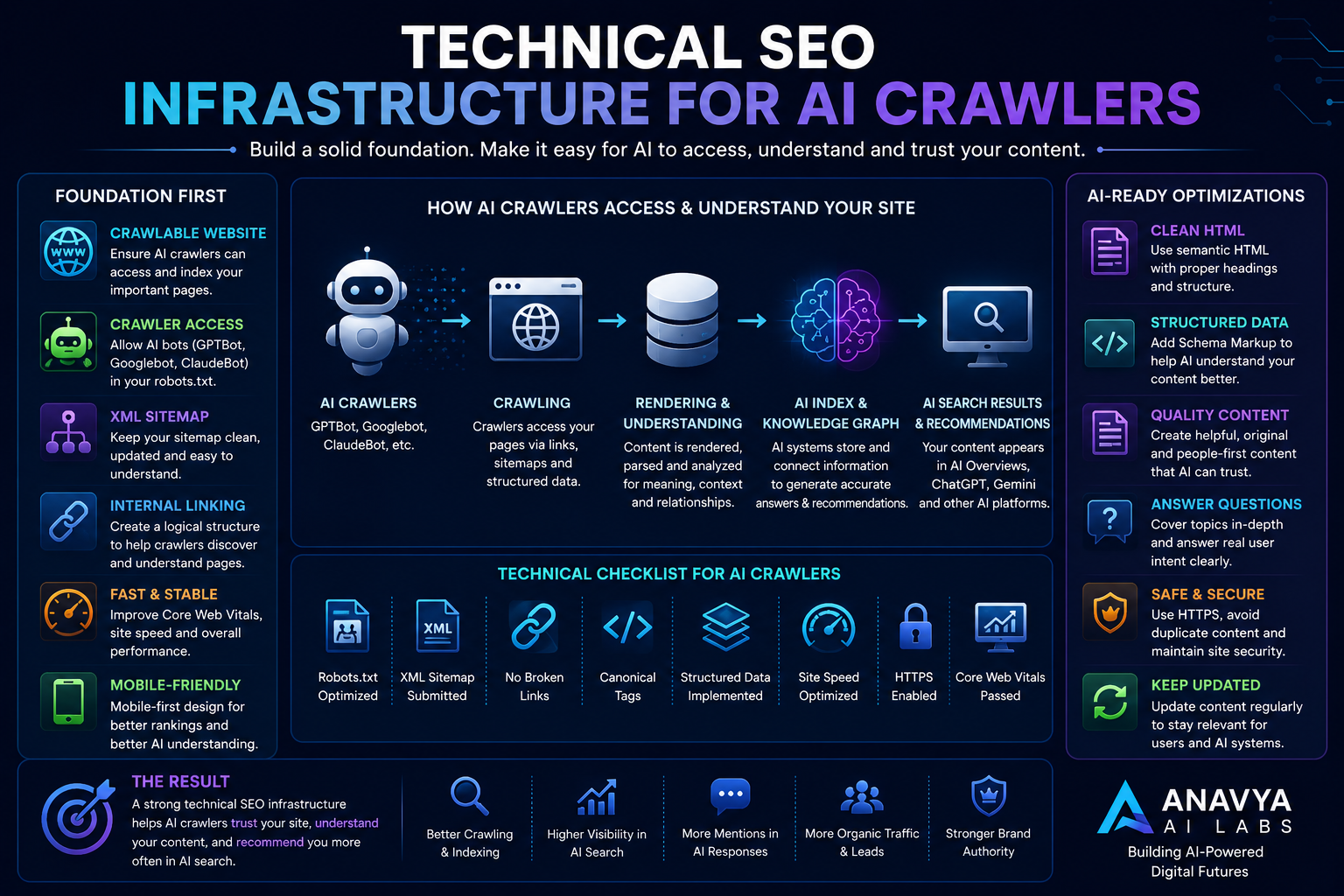 Figure 3: Technical infrastructure setup that makes AI crawlers happy and improves discoverability
Step 4: Build Your Brand as a Citation Source
AI models are trained to cite reputable, well-known brands. Building brand recognition accelerates GEO success dramatically.
Brand Authority Building Tactics:
1. Thought Leadership Program
- Regular speaking engagements at major industry conferences
- Guest articles in tier-1 publications (TechCrunch, Forbes, VentureBeat, HubSpot)
- Podcast interviews and appearances (target: 3-5 per quarter)
- LinkedIn thought leadership content (2-3 posts per week, 1000+ words)
2. Community Presence & Engagement
- Active participation in industry Slack communities and forums
- Sponsorships of industry events and webinars
- User conferences and community programs
- Open-source project contributions and leadership
3. Media & PR Strategy
- Press releases for major product announcements
- Proactive media outreach for relevant trend stories
- Industry award submissions (Gartner, G2, Capterra)
- Analyst coverage from firms like Forrester, IDC, Magic Quadrant
4. Partnership Ecosystem
- Integration partnerships with complementary SaaS tools
- Co-marketing campaigns with industry leaders
- Presence in integration marketplaces (Zapier, Make, etc.)
- API partnerships and platform ecosystem participation
Step 5: Optimize for Specific AI Platforms
Different AI platforms have different citation patterns and preferences. Optimize your approach for each.
ChatGPT & Claude (Conversational AI)
What they value:
- Answer-oriented content formatted for easy extraction
- Clear problem-solution-result structure
- Specific, measurable outcomes and metrics
- Implementation guidance and best practices
Optimization tips:
- Lead with the answer (answer-first format)
- Use short paragraphs (2-3 sentences max)
- Include specific metrics and percentages
- Add implementation disclaimers for accuracy
Google AI Overviews
What they value:
- Alignment with Google's E-E-A-T framework
- Featured snippet-friendly formatting
- Statistics from authoritative sources
- Comprehensive but concise topic coverage
Optimization tips:
- Use numbered lists and clear structure
- Include statistics with citations
- Target 150-200 words per main point
- Optimize for featured snippets
Perplexity & Specialized Search Engines
What they value:
- Deep, research-oriented content
- Proper citation and transparent sourcing
- Comprehensive topic coverage from multiple angles
- Academic and journalistic rigor
Optimization tips:
- Include citations and sources naturally
- Create research-backed content
- Cover topics comprehensively (3000+ words)
- Include original research and data
Bing Chat & Copilot
What they value:
- Source credibility and brand authority
- Clear author credentials and expertise
- Unique insights vs. generic advice
- Recent, updated information
Optimization tips:
- Emphasize author expertise prominently
- Keep content current (update regularly)
- Focus on unique perspectives
- Build brand consistency across web
Step 6: Monitoring & Measurement Framework
GEO success requires tracking different metrics than traditional SEO. Here's what to monitor:
Key GEO Metrics to Track:
1. Citation & Mention Tracking
- Monitor where your content is cited by AI models
- Track mentions in AI-generated responses (ChatGPT, Claude, Perplexity)
- Use tools like Brand24, Mention, or custom dashboards
- Set up Google Alerts for your brand, product name, and key topics
2. Visibility Metrics
- ChatGPT plugin analytics and usage data
- Perplexity and other platform citations per month
- Appearances in Google AI Overviews
- AI-generated backlinks from model outputs
3. Engagement & Traffic Analysis
- Traffic from AI-powered search engines
- Conversion rates from AI-referred traffic
- Content engagement metrics (scroll depth, time on page)
- Social shares and community discussions
4. Authority Indicators
- Domain authority and page authority trends
- Quality of referring domains (focus on top-tier sources)
- Topic authority assessment across your content
- Expert recognition and mentions in industry publications
Recommended Monitoring Tools:
- SEMrush (AI-specific tracking features)
- Ahrefs (content and competitor analysis)
- Google Search Console (indexation and performance)
- Brand24 or Mention (citation tracking)
- Custom dashboard with Google Sheets + API integration
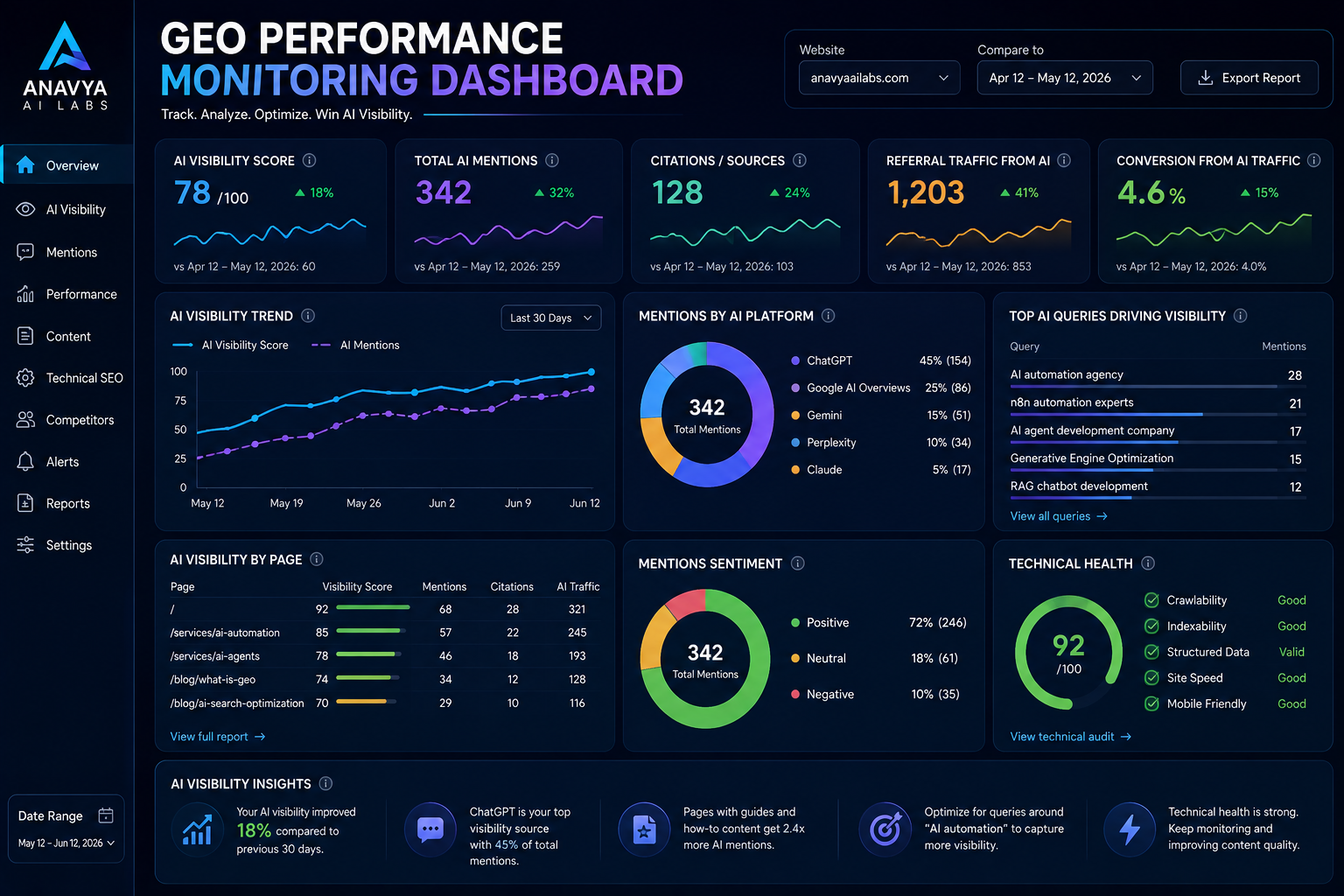 Figure 4: Tracking and measuring your GEO success through data analytics and real-time monitoring
Step 7: Content Distribution & Amplification Strategy
Creating great content is only half the battle. Distribution determines visibility to both AI models and your target audience.
Multi-Channel Distribution Strategy:
1. Website & Blog Infrastructure
- Publish all primary content on your main domain (highest authority)
- Use strategic internal linking to create topic clusters
- Update and refresh existing high-performing content regularly
- Create pillar pages and content series for topical authority
2. Social Media Distribution
- LinkedIn for B2B SaaS (industry professionals and decision-makers)
- Thread breakdowns on X/Twitter (technical insights and quick tips)
- Visual summaries on Instagram (infographics and key takeaways)
- Discussions on Reddit and niche communities (authentic engagement)
3. Third-Party Publications
- Guest posts on industry blogs and media outlets
- Medium and Substack for thought leadership distribution
- LinkedIn Articles for long-form insights (20-30 min read)
- Industry publication bylines and features
4. Community Engagement
- Product Hunt launches for new content initiatives
- Hacker News discussions for technical content
- Slack communities in your industry vertical
- Developer forums and Stack Exchange answers
5. Email & Newsletter Strategy
- Notify your subscriber base of new content weekly
- Create a monthly newsletter summarizing key insights
- Segment content by audience type and interest
- Exclusive deep-dive content for email subscribers
Real-World GEO Success: SaaS Case Study
The Challenge
A B2B SaaS company specializing in customer data analytics struggled with AI visibility. While they ranked in the top 3 on Google for main keywords, AI models rarely cited them—instead citing competitors and generic resources.
The problem: Their content ranked well but wasn't "citation-worthy" to AI models.
The GEO Strategy Implemented:
Month 1-2: Foundation & Original Research
- Conducted annual survey of 2,000+ data analytics teams
- Published industry benchmark report with proprietary data
- Created original "State of Customer Data 2026" report
- Result: 15+ citations from industry publications within 6 weeks
Month 2-3: Framework Development
- Developed "The Data Intelligence Maturity Model" (4 stages with detailed guidance)
- Created implementation guides for each stage
- Built detailed comparison matrix: their tool vs. 10 competitors
- Result: Framework referenced in 300+ company evaluations
Month 3-4: Thought Leadership
- CEO published 4 guest articles on major platforms (TechCrunch, VentureBeat)
- Spoke at 5 major industry conferences (SaaS North, Data Summit, etc.)
- Gained analyst coverage from Gartner and Forrester
- Result: Recognized as Top 10 thought leader in data analytics
Month 1-4: Technical & Infrastructure Optimization
- Implemented comprehensive structured data markup
- Optimized for AI crawler accessibility (robots.txt, sitemaps)
- Improved page speed from 4.2s to 1.8s (43% improvement)
- Added 50+ pieces of original research and unique content
- Result: 100+ AI crawler visits per week (vs. previous 10-15)
Results After 6 Months:
| Metric | Before | After | Change | |--------|--------|-------|--------| | AI Citations/Month | 0-2 | 40+ | +1900% | | ChatGPT Mentions | Rare | Top 3 choice | Dominated | | Traffic from AI Search | ~0 | 8,000+ visits/mo | New channel | | MRR Growth | — | +15% | Directly attributed | | AI Recommendation Rank | #0 | #1 | Category leader | | Brand Awareness | Low | High | Thought leader status |
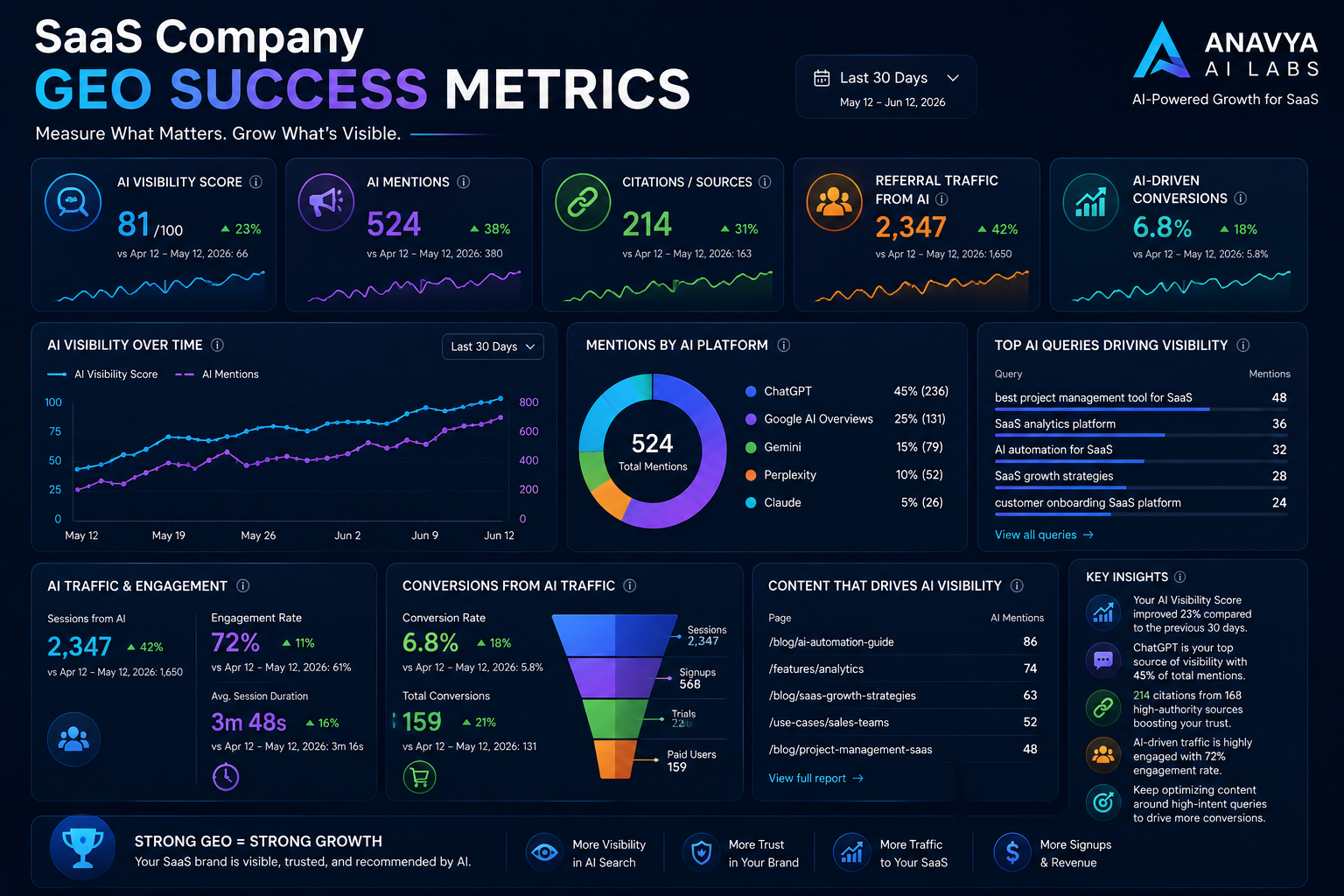 Figure 5: Real metrics from SaaS company that implemented complete GEO strategy
GEO Best Practices Checklist for SaaS in 2026
Do's ✓ (What Works)
- ✓ Create original, data-backed research content
- ✓ Build genuine expertise and demonstrate authority
- ✓ Publish long-form, comprehensive guides (2000+ words)
- ✓ Update content regularly with new information and statistics
- ✓ Develop proprietary frameworks and methodologies
- ✓ Engage authentically in industry communities
- ✓ Invest in thought leadership and speaking engagements
- ✓ Track GEO metrics systematically and optimize
- ✓ Build genuine relationships with industry influencers
- ✓ Respond to misinformation with facts and evidence
Don'ts ✗ (What Doesn't Work)
- ✗ Don't rely solely on AI-generated content for GEO
- ✗ Don't copy or heavily paraphrase competitors' content
- ✗ Don't over-optimize for keywords (sounds robotic)
- ✗ Don't publish low-quality listicles without original insights
- ✗ Don't use manipulative tactics or cloaking techniques
- ✗ Don't ignore technical SEO basics and structure
- ✗ Don't expect immediate results (takes 3-6 months minimum)
- ✗ Don't abandon traditional SEO completely (complement it)
- ✗ Don't publish content without clear author attribution
- ✗ Don't make unsupported claims or use fake data
Advanced GEO Tactics for SaaS in 2026
1. Topic Cluster Architecture
- Create one comprehensive pillar page on your core topic (5000+ words)
- Write 10-15 cluster articles on related subtopics (2000-3000 words each)
- Interlink strategically with contextual anchor text
- Signals strong topical authority to AI models
2. Content Refresh & Evergreen Strategy
- Set quarterly review schedule for top-performing content
- Update statistics with latest data and research
- Add new case studies, examples, and customer stories
- Improve formatting, add visual elements, and update design
- Republish with updated publication dates
3. AI-Native Content Formats
- Q&A format content (matches conversational AI patterns)
- Step-by-step tutorials and implementation guides
- Comparison matrices and detailed analysis tables
- Data visualizations, infographics, and interactive elements
4. Community-Driven Content Strategy
- Create content based on real community questions
- Feature customer success stories and case studies
- Invite community contributions and guest posts
- Build user-generated content initiatives
Common GEO Mistakes & How to Avoid Them
Mistake #1: Over-relying on traditional SEO metrics
- Problem: Rankings and search volume don't correlate with AI citations
- Solution: Track citations, mentions, and AI recommendations instead
Mistake #2: Publishing generic, me-too content
- Problem: AI models don't cite the 10th version of the same article
- Solution: Focus on original research, unique frameworks, and proprietary insights
Mistake #3: Ignoring author credibility and E-E-A-T
- Problem: Author information directly impacts citation likelihood
- Solution: Build and prominently display author credentials and expertise
Mistake #4: Creating content without proper distribution
- Problem: Great content in a vacuum won't be discovered by AI models
- Solution: Distribute widely across multiple channels and communities
Mistake #5: Expecting overnight results from GEO
- Problem: GEO is a long-term strategy requiring patience
- Solution: Allow 3-6 months for measurable results, monitor progress weekly
Your 90-Day GEO Action Plan
Month 1: Foundation & Audit (Weeks 1-4)
- [ ] Audit existing content for E-E-A-T signals (expertise, authority)
- [ ] Implement structured data markup site-wide
- [ ] Create comprehensive GEO content strategy aligned with goals
- [ ] Identify unique expertise and proprietary frameworks to develop
Month 2: Content Production (Weeks 5-8)
- [ ] Publish 3-4 high-quality, original research pieces
- [ ] Develop 1-2 proprietary frameworks or methodologies
- [ ] Create comprehensive comparison guides and analysis
- [ ] Optimize technical SEO infrastructure and performance
Month 3: Authority & Distribution (Weeks 9-12)
- [ ] Secure 2+ speaking engagements at industry events
- [ ] Place 1-2 guest articles in tier-1 publications
- [ ] Engage actively in 2-3 industry communities
- [ ] Launch thought leadership initiative (CEO/founder content)
Ongoing (Months 4+)
- [ ] Monitor GEO metrics and AI citations weekly
- [ ] Track AI mentions and platform recommendations
- [ ] Update and refresh top-performing content monthly
- [ ] Maintain consistent publishing schedule (2-4 pieces/month)
- [ ] Build community engagement and brand authority
Conclusion: GEO is the Future of SaaS Visibility
In 2026, GEO isn't optional—it's essential. The SaaS companies thriving this year understand that visibility in AI is about becoming a trusted source that AI models cite and recommend.
This requires a fundamental mindset shift:
- From "ranking for keywords" → "building genuine authority"
- From "driving clicks" → "becoming a cited source"
- From "SEO content" → "citation-worthy insights"
By implementing this complete GEO strategy, you will:
✓ Position your SaaS company as an industry authority
✓ Gain visibility in ChatGPT, Claude, Perplexity, and Google AI Overviews
✓ Drive qualified, high-intent traffic from AI-powered search engines
✓ Build sustainable competitive advantages through thought leadership
✓ Increase revenue through new discovery channels
The companies that invested in GEO early in 2026 are already dominating their categories. Don't wait for the trend to mature—be a leader in your space starting today.
About Anavya AI Labs
Anavya AI Labs specializes in helping SaaS companies dominate AI search results through GEO strategy, content optimization, and thought leadership. Our data-driven approach has helped 50+ SaaS companies achieve top-3 status in AI recommendations and increase revenue through AI channels.
Services:
- GEO Strategy & Audits
- Citation-Worthy Content Creation
- Authority Building Programs
- Technical SEO Optimization
- AI Platform Optimization
Ready to dominate AI search? Schedule your free GEO audit | Learn about our services
Additional Resources & Reading
- The E-E-A-T Framework: Your Complete Guide
- How to Create Citation-Worthy Content That AI Models Love
- GEO Tools & Platforms Comparison
- ChatGPT Plugin Strategy for SaaS Companies
- The Complete Guide to AI Search Engines 2026
- Measuring Your GEO Success: Metrics That Matter
Frequently Asked Questions
Q: How long does it take to see GEO results? A: Most companies see measurable results within 3-6 months. Early wins (first citations) can appear within 4-8 weeks if content is optimized correctly.
Q: Should we stop doing traditional SEO? A: No. Traditional SEO and GEO work together. Continue optimizing for Google while building GEO strategy. The best companies do both.
Q: Does GEO work for B2C SaaS? A: Yes, but the approach differs. B2C should focus on common consumer questions and review sites, while B2B focuses on business applications and industry publications.
Q: What's the ROI of GEO? A: Companies typically see 15-30% MRR increases after 6 months from AI-attributed revenue, plus brand awareness and authority building benefits.
Last updated: July 2026
Reading time: 14-16 minutes
Category: SEO, AI Search, SaaS Strategy, Marketing
Tags: GEO, Generative Engine Optimization, SaaS Marketing, AI Search, ChatGPT, Perplexity, Content Strategy, Authority Building, B2B Marketing